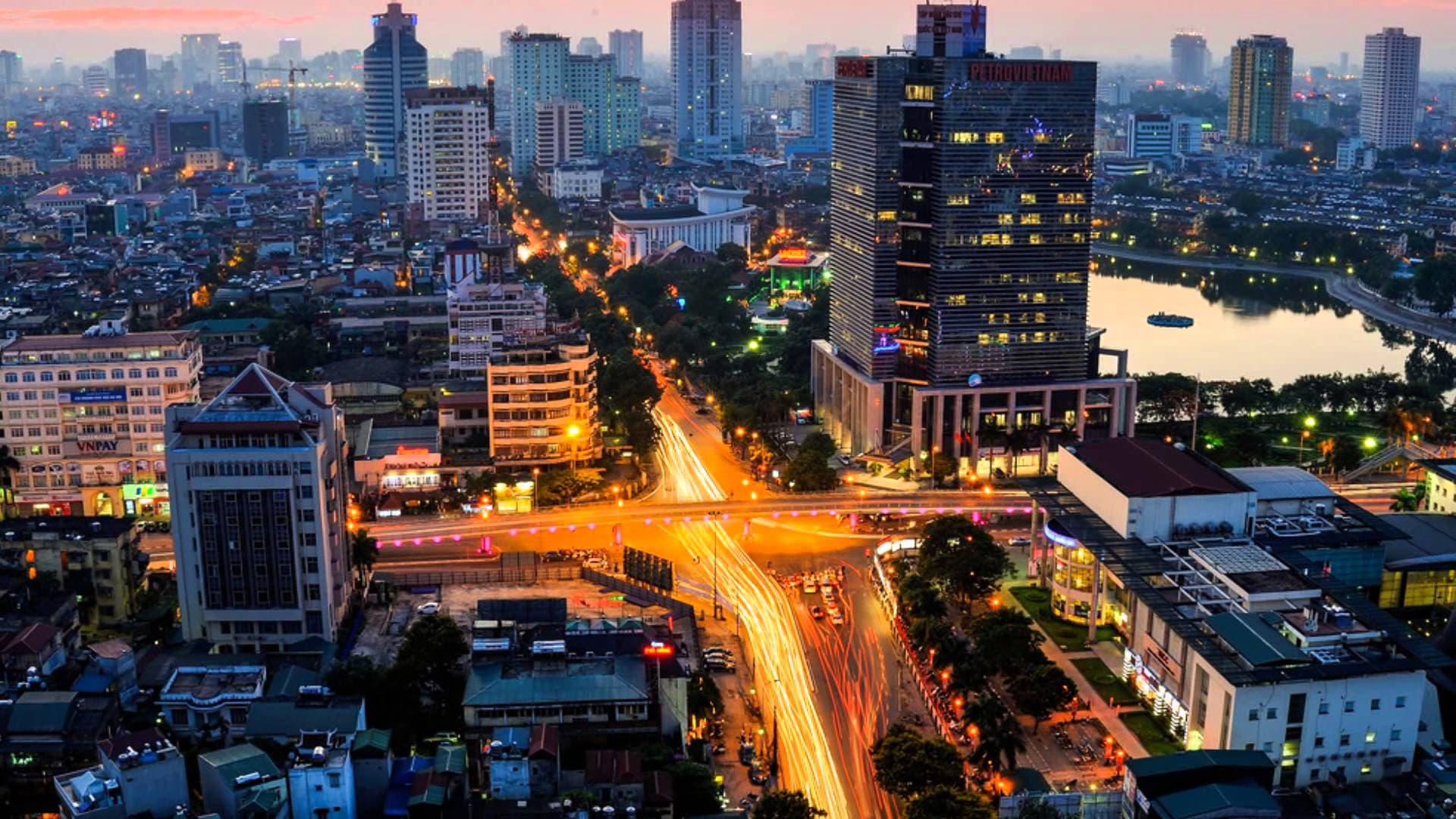



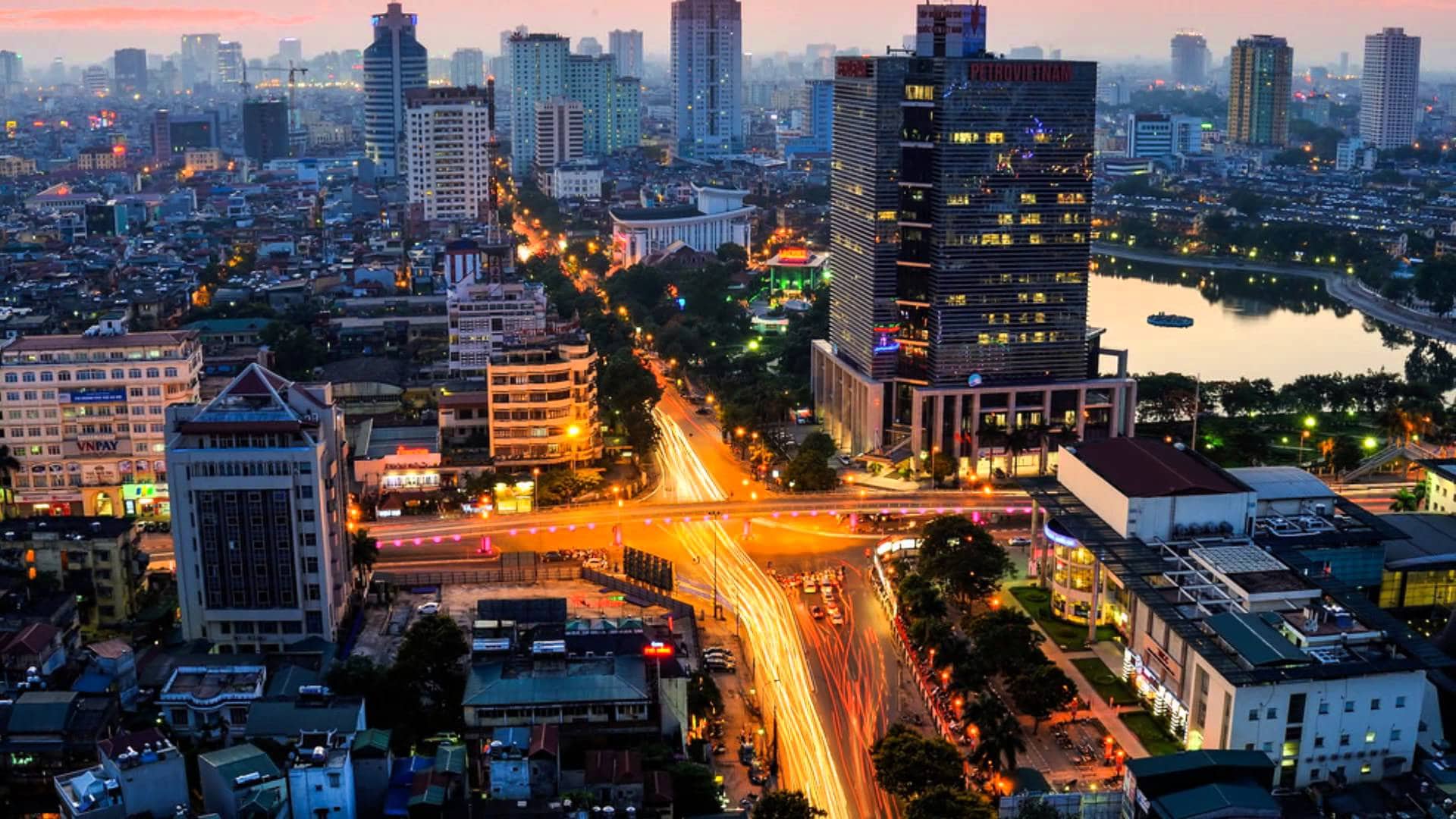
Ho Chi Minh City puts twentieth-century history within walking distance: the Reunification Palace gates, the War Remnants Museum and the colonial-era streets of District 1 sit within a few blocks of one another. It is a direct flight from Dubai, which makes it one of the most efficient long-haul history destinations we run.
The core of any visit is the trio of the War Remnants Museum, the Independence (Reunification) Palace with its intact 1975 command bunker, and the Củ Chi tunnel network north-west of the city, where students see guerrilla engineering at first hand. District 1 adds the French colonial layer — Notre-Dame Cathedral Basilica of Saigon, the Saigon Central Post Office and the Opera House — while the Ho Chi Minh City Museum in the former Gia Long Palace traces the city's shift from Prey Nokor to Saigon to its present name. Cholon in District 5, with the Thiên Hậu Temple and Bình Tây Market, gives groups the Chinese-Vietnamese story that most textbooks leave out.
Curriculum links
History
The War Remnants Museum, the Independence Palace bunker, the Củ Chi tunnels and the Nhà Rồng wharf where Hồ Chí Minh left Vietnam in 1911 allow students to trace colonial rule, the American war and reunification across a single city.
When to travel
Ho Chi Minh City is tropical and warm throughout the year, with temperatures typically in the low thirties and high humidity rather than seasonal cold. The main variable is rain: the dry months from December to April are the most comfortable for full days of walking, while the wet season brings heavy but usually short afternoon downpours.
Spring
March to MayThe hottest stretch, especially April; shorter outdoor sessions and frequent water breaks.
Summer
June to AugustWet season with heavy afternoon rain; museum-heavy itineraries work well.
Autumn
September to NovemberStill wet into October, easing by November; humidity remains high throughout.
Winter
December to FebruaryDry, clearest skies and the most comfortable heat — our preferred window.