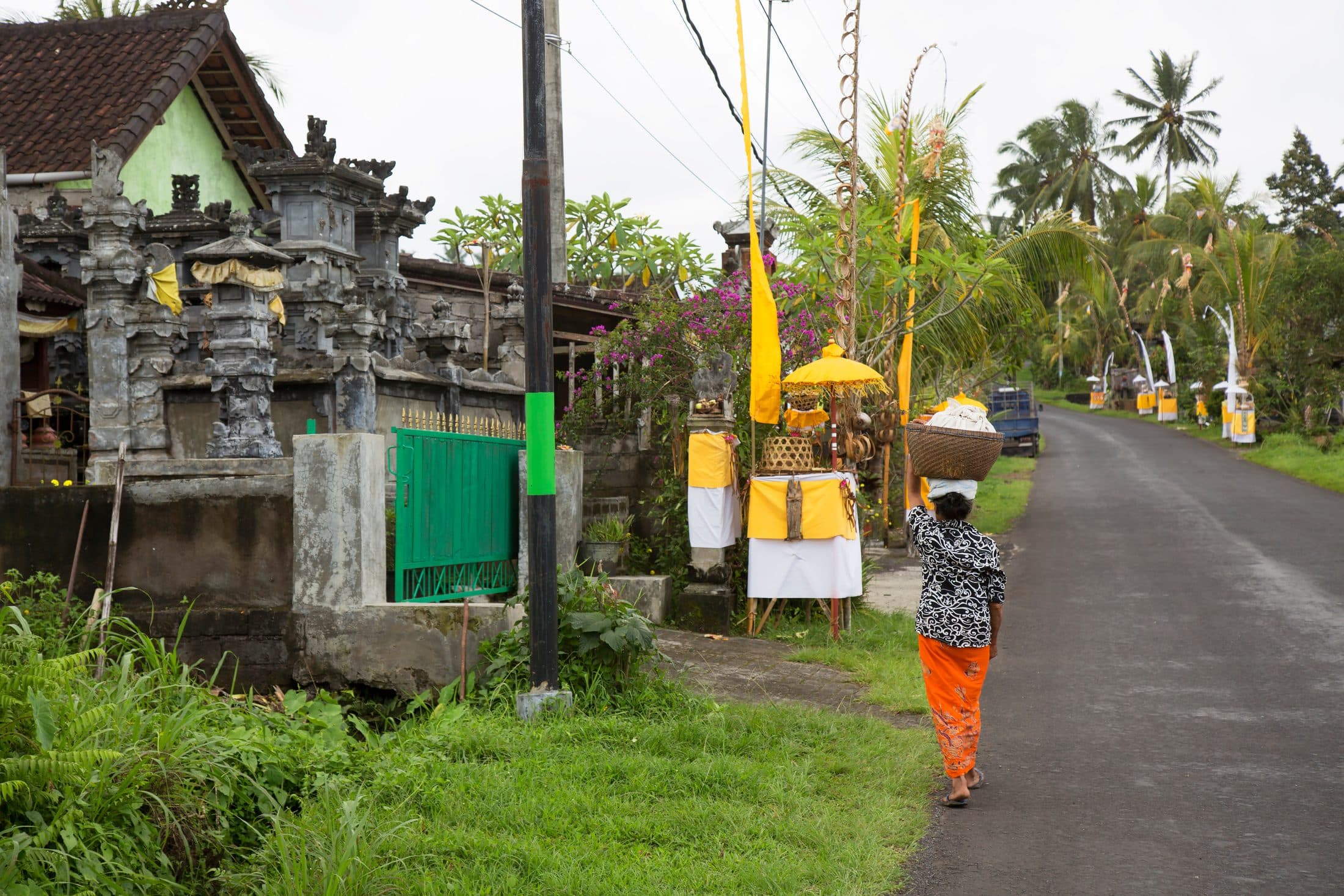



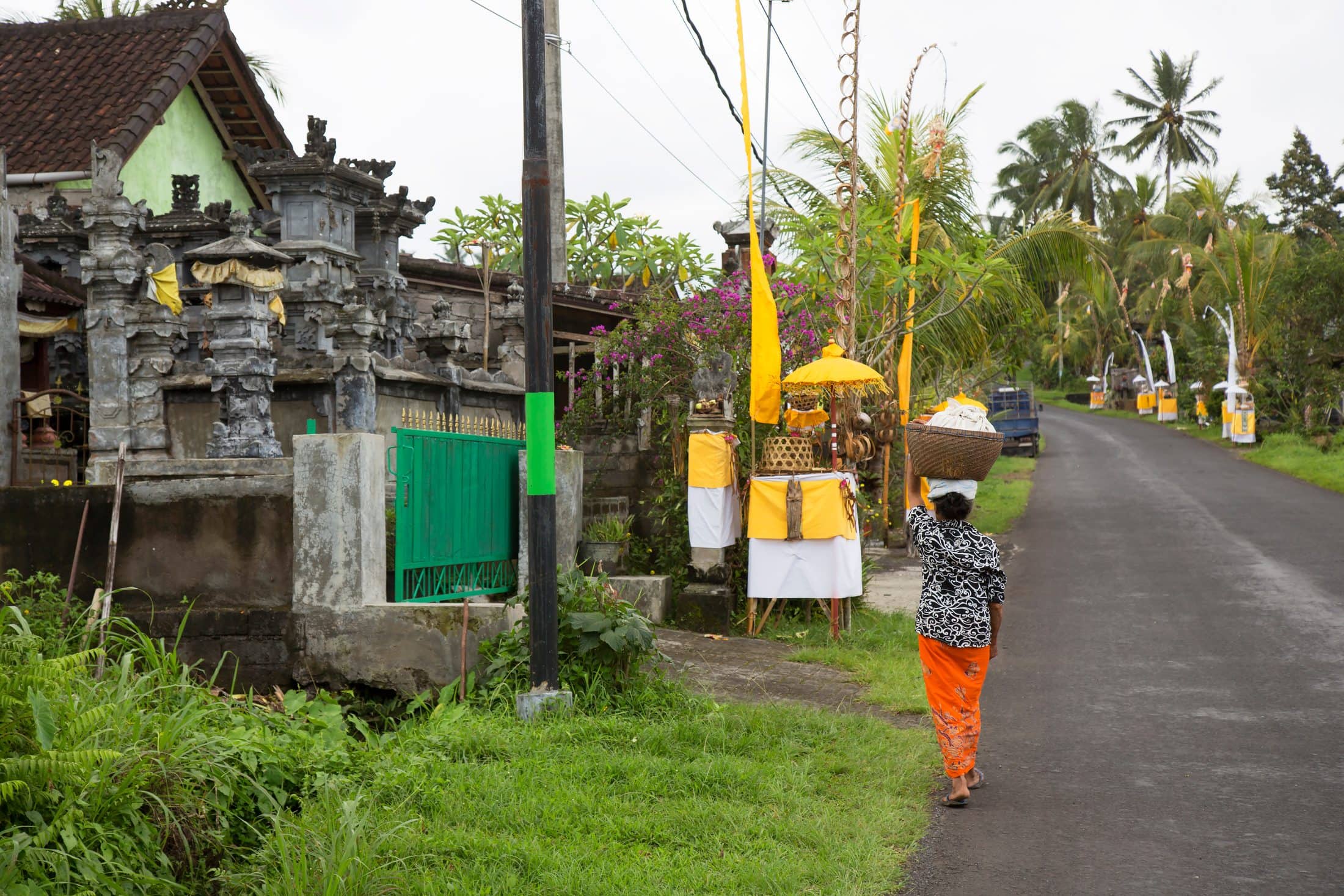
Sanur sits on Bali's south-east coast, facing the sunrise across a sheltered lagoon protected by an offshore reef — calm, shallow water that makes it one of the few places on the island where a large group can safely learn to paddle, snorkel and sail. It is a low-rise, walkable town with a five-kilometre beachfront path, which means students can move between activity sites on foot or by bicycle rather than spending the week on a coach.
Sanur rewards a group that looks past the beach: the Blanjong Pillar at Pura Blanjong carries an inscription dated to 914 CE, the oldest dated written record on Bali, while the Museum Le Mayeur, the seafront home of the Belgian painter Adrien-Jean Le Mayeur and his Balinese wife Ni Pollok, sits directly on the sand near Sindhu Beach. For outdoor and environmental work, the Ngurah Rai Forest Park mangroves on the edge of Suwung and the Turtle Conservation and Education Centre on nearby Serangan Island give students conservation sites they can genuinely work in, and the harbour at Pelabuhan Segara Sanur is the departure point for reef and island days towards Nusa Lembongan and Nusa Penida.
Curriculum links
Outdoor Education
The reef-protected lagoon at Sanur supports open-water swimming, snorkelling, stand-up paddleboarding and traditional jukung sailing in graded conditions, while the Ngurah Rai mangrove boardwalks, the flat coastal cycle route between Mertasari and Matahari Terbit, and day expeditions to Nusa Lembongan or the Mount Batur caldera extend the programme into navigation, trekking and expedition planning.
When to travel
Sanur is tropical and warm all year, with daytime temperatures usually in the high twenties to low thirties Celsius and high humidity, so hydration, shade and sun protection shape the daily timetable. The main variable is rainfall: the wet season brings heavy afternoon downpours that usually clear, while the dry months are more settled and better suited to sustained water activity.
Spring
March to MayRain easing into dry season; warm seas and calmer conditions. Strong for water-based work.
Summer
June to AugustDriest, breeziest months with lower humidity. The best window for expedition programmes.
Autumn
September to NovemberDry into September, then building humidity and showers. Early autumn works well.
Winter
December to FebruaryWettest and most humid; heavy afternoon rain. Plan indoor and conservation alternatives.