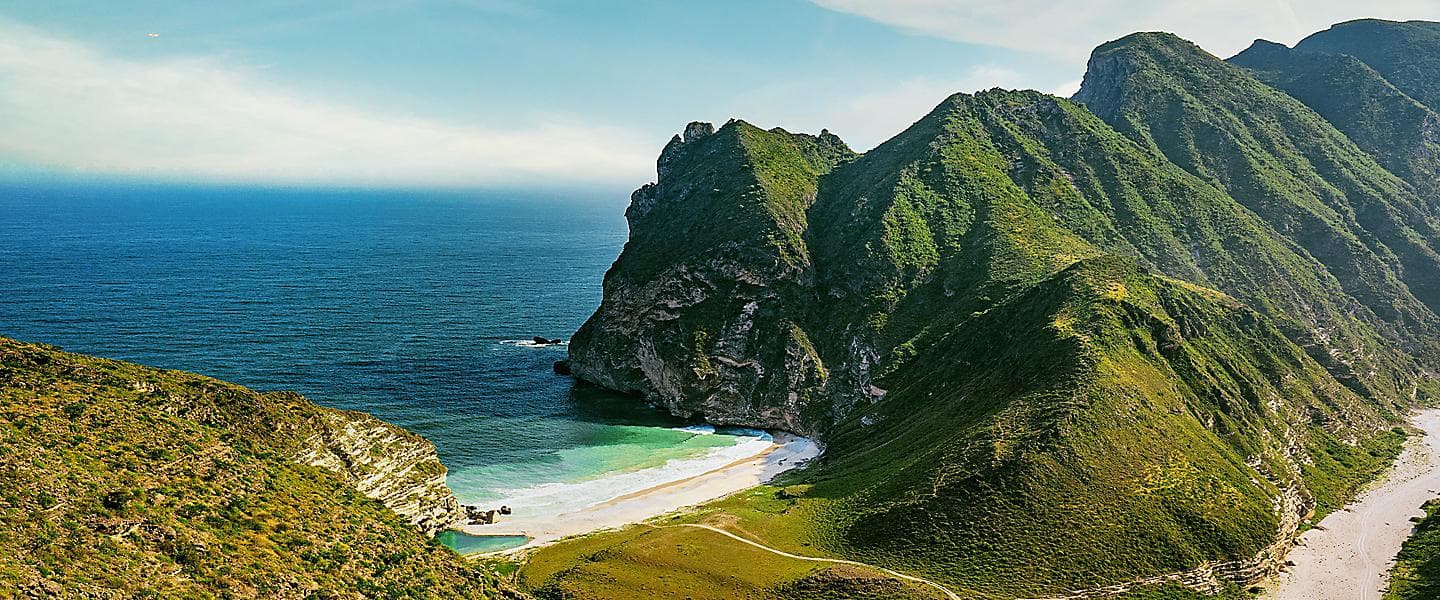



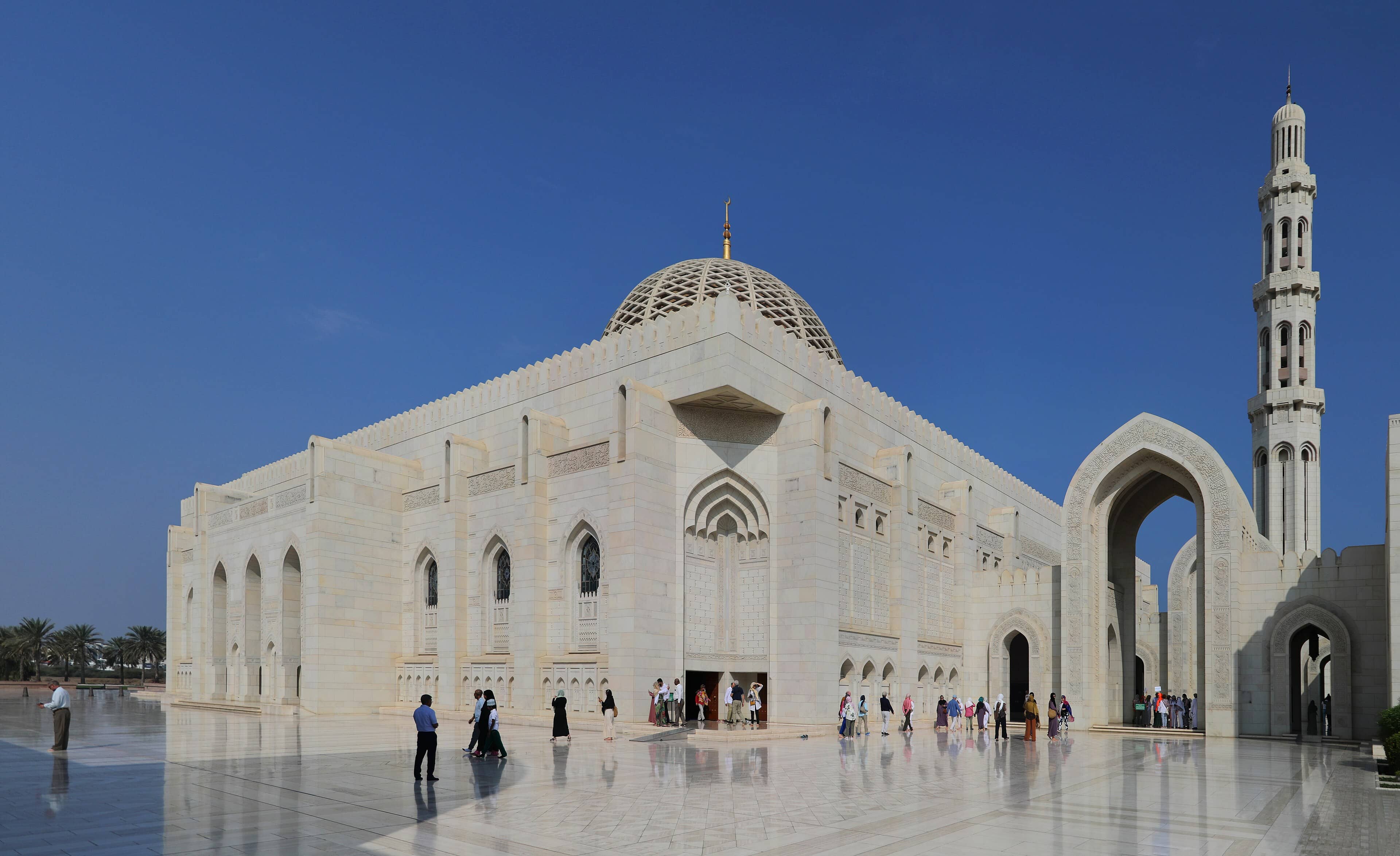
Oman sits within a short drive or flight of Dubai yet offers a landscape of canyons, wadis and desert sands that feels a world away from the Gulf's coastal cities. For schools it is an unusually accessible outdoor classroom, where students can trek, climb and camp while learning from communities whose falaj irrigation and navigation traditions are still in daily use.
The Hajar Mountains give students genuine expedition terrain: the Jebel Shams rim above Wadi Ghul, the via ferrata routes near Snake Canyon, and wadi walks at Wadi Bani Khalid or Wadi Shab that cannot be replicated on a school field. Nights under canvas in the Wahiba Sands introduce desert navigation, dune formation and the practicalities of self-sufficient camping. UNESCO-listed sites such as Bahla Fort and the Aflaj irrigation systems at Al Hamra let outdoor learning sit alongside real cultural and historical context.
Curriculum links
Outdoor Education
Students can build expedition skills across contrasting environments, from canyoning and gorge walking in Wadi Bani Awf to dune camping in the Wahiba Sands and coastal snorkelling at the Daymaniyat Islands.
When to travel
Muscat is hot and dry for much of the year, with coastal humidity adding to the load in summer, while the interior mountains are noticeably cooler and can be cold at night in winter. School groups plan activity for early mornings and late afternoons, with shade, shelter and frequent hydration built into every day.
Spring
March to MayWarm and clear early on; by May heat limits midday activity. Good for early trips.
Summer
June to AugustVery hot and humid on the coast; not recommended for school expeditions.
Autumn
September to NovemberCooling steadily; late autumn is excellent for trekking and wadi work.
Winter
December to FebruaryThe prime season: mild days, cold mountain nights, ideal for camping and hiking.