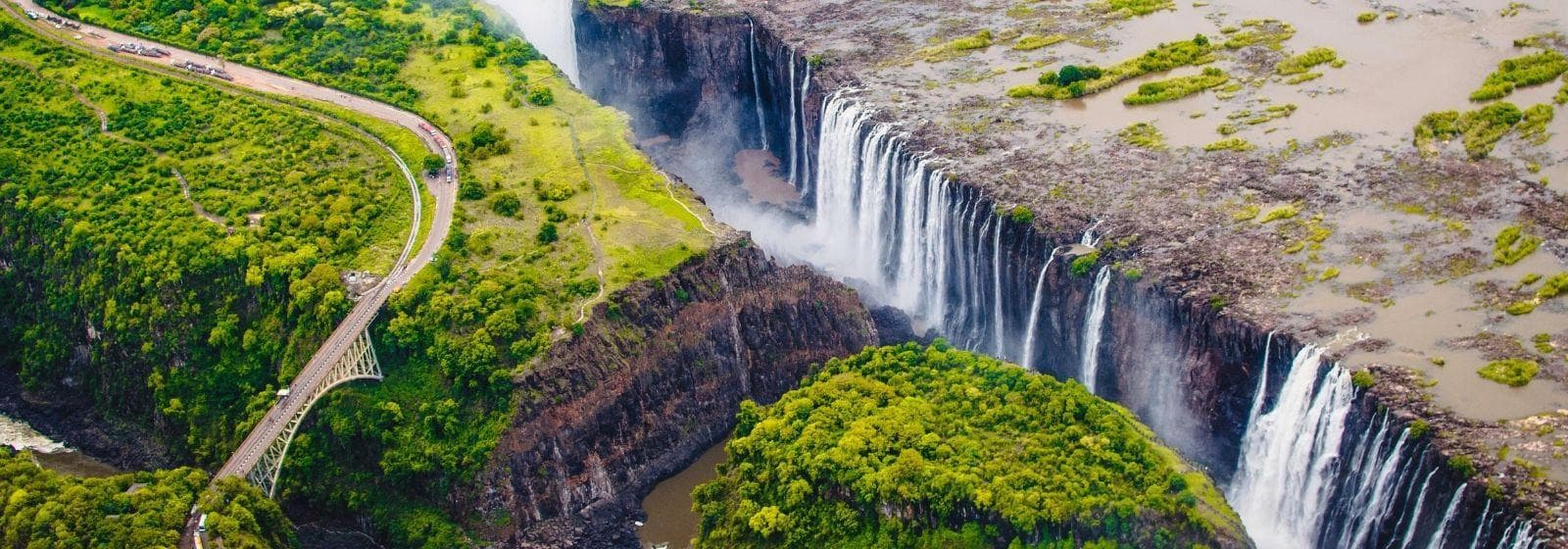



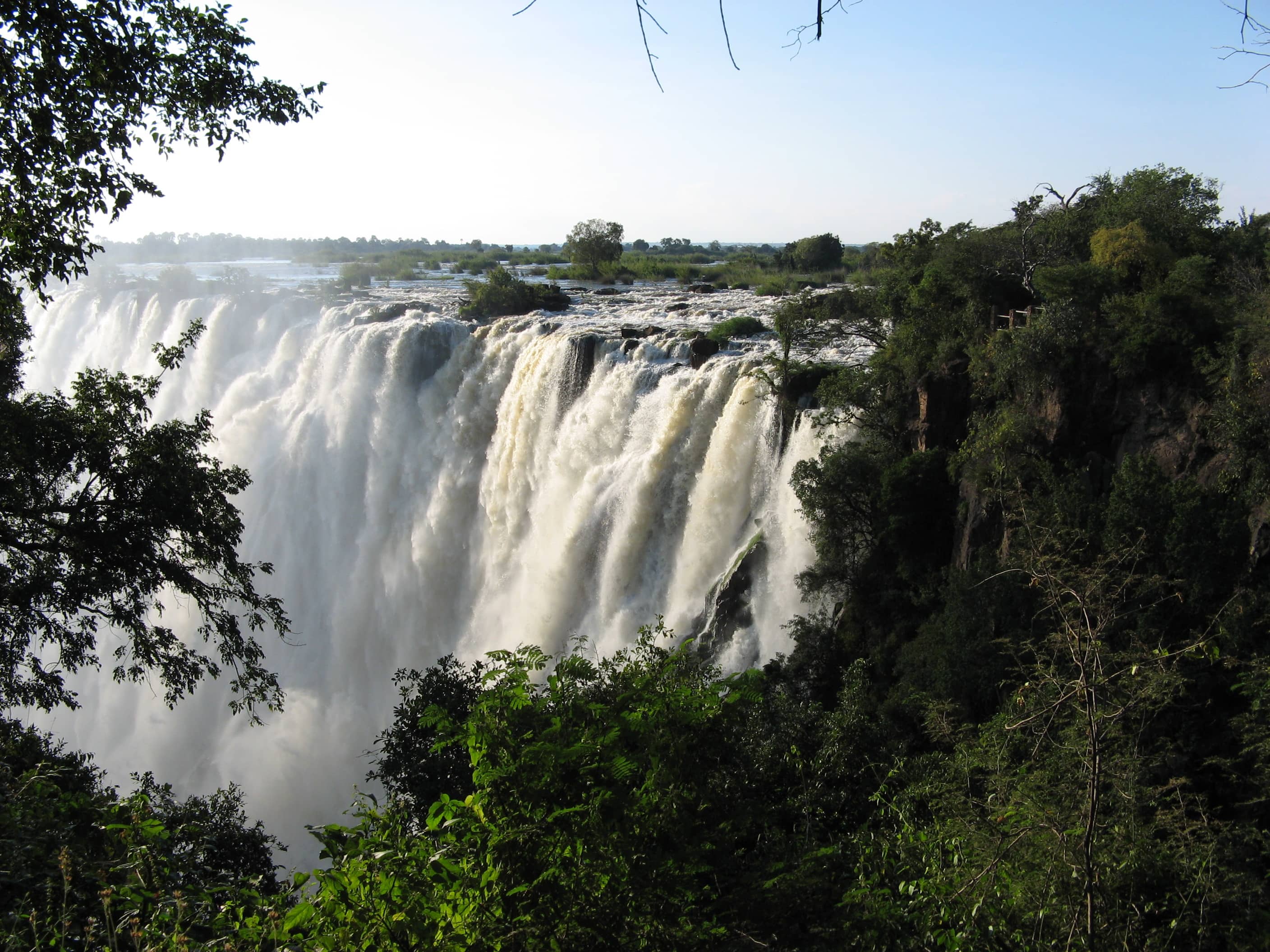
Zambia offers school groups an unusually direct encounter with the forces that shape a landscape, from the spray of Victoria Falls at Livingstone to the floodplains of the Kafue and Luangwa rivers. It is a calm, welcoming country where students can study geography, ecology and development side by side, guided by Zambian rangers, teachers and community hosts.
Few classrooms can match standing on the Knife-Edge Bridge at Mosi-oa-Tunya, watching the Zambezi drop into a basalt gorge that students have only ever seen as a diagram. In South Luangwa National Park, where the walking safari was pioneered, groups learn animal tracking and habitat survey work on foot rather than from a vehicle window. Visits to community schools and conservation projects around Livingstone and Mfuwe let students discuss water access, tourism income and wildlife conflict with the people directly affected.
When to travel
Lusaka sits on a plateau at over 1,200 metres, so temperatures are milder than most visitors expect for the tropics, averaging around 21°C across the year. The defining feature is rainfall rather than heat: a wet season from November to April and a dry, clear season from May to October when travel is easiest.
Spring
September to NovemberHot and dry before the rains; excellent wildlife viewing but temperatures can exceed 35°C.
Summer
December to FebruaryPeak rains, green landscapes, some park roads impassable; least suited to school trips.
Autumn
March to MayRains ease, Victoria Falls at full flow, pleasant temperatures; a strong option.
Winter
June to AugustDry, sunny days and cool nights near 10°C; the ideal window for school groups.