


Turkey sits across two continents, and a school group can stand on the European shore of the Bosphorus in the morning and cross into Asia by ferry the same afternoon. Few destinations allow students to trace Greek, Roman, Byzantine and Ottoman history within a single itinerary while also exploring landscapes as unusual as the valleys of Cappadocia.
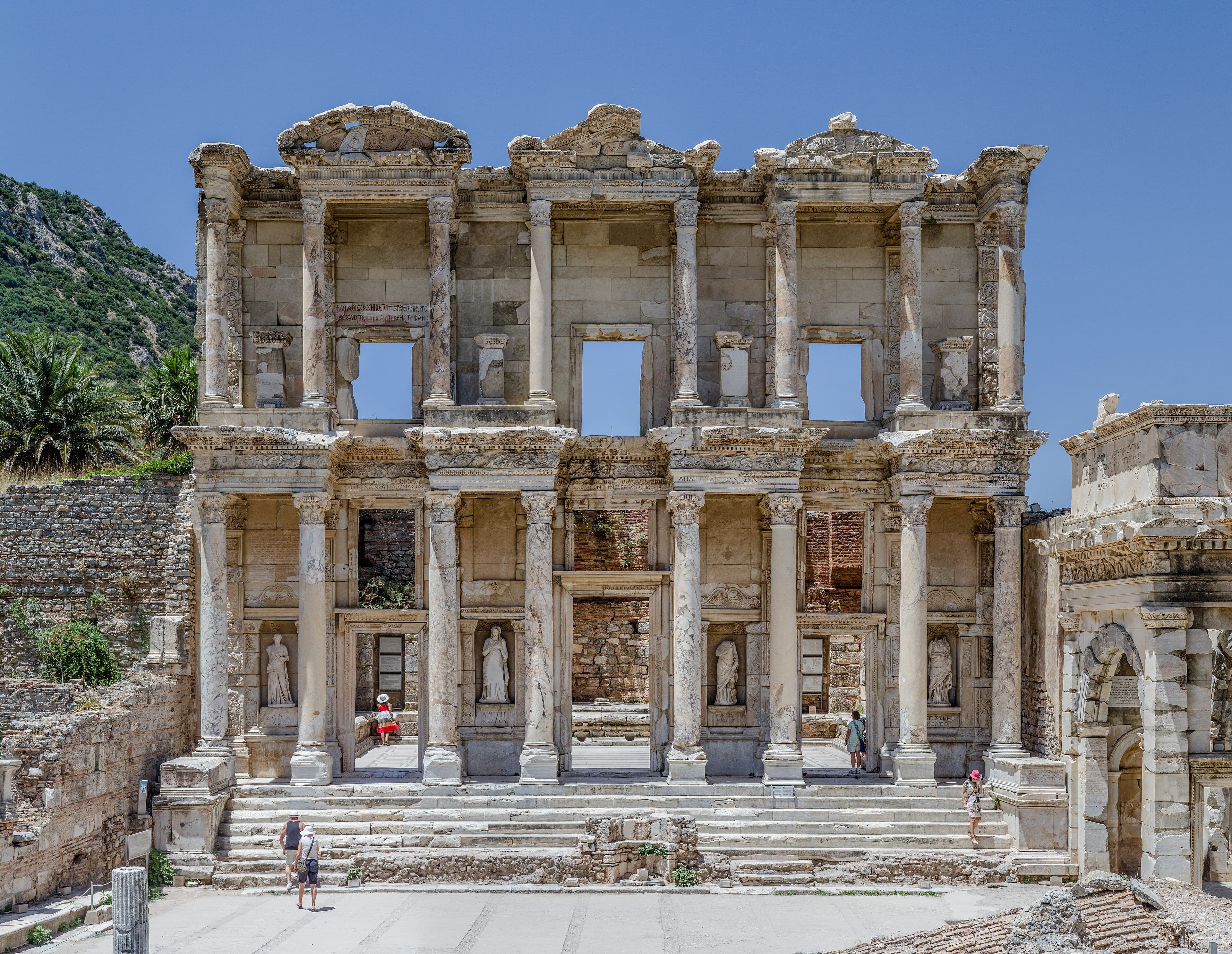
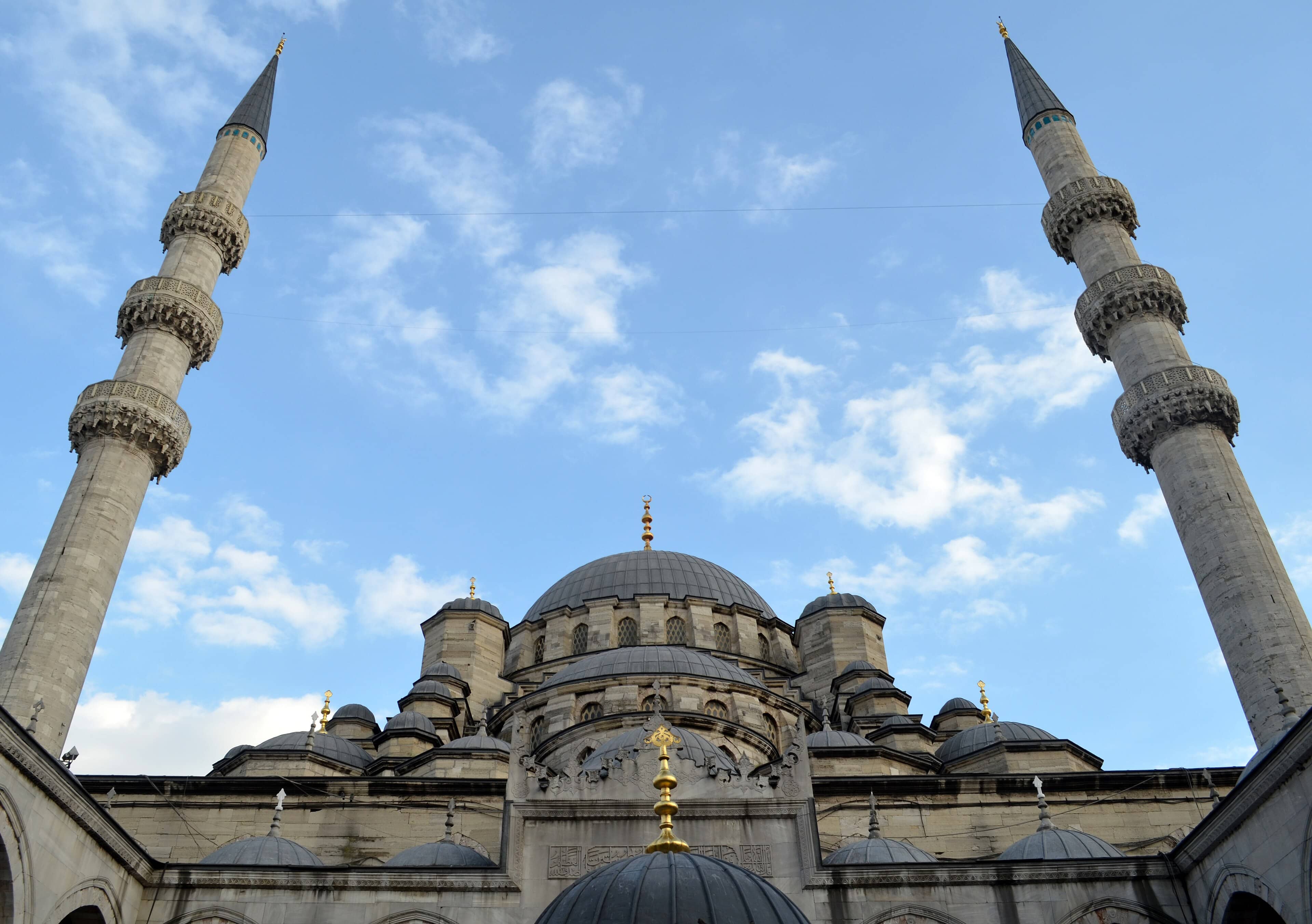
Students can walk the marble street of the Library of Celsus at Ephesus, examine the Byzantine mosaics of the Hagia Sophia and see the layered mosque architecture of Sultan Ahmed within a short walk of one another. The Museum of Anatolian Civilisations in Ankara holds the finest Hittite collection anywhere, giving context that textbook photographs cannot. In Cappadocia, the volcanic tuff of the Göreme valleys and the underground city of Derinkuyu show geology and human adaptation in the same site.
When to travel
Coastal Turkey has hot, dry summers and mild winters, while Ankara and the Anatolian plateau are markedly more continental, with cold winters and warm, dry summers. Groups should expect strong sun and dusty archaeological sites in July and August, and genuine cold with occasional snow inland from December to February.
Spring
March to MayMild, green and quieter at major sites; among the best windows for a school trip.
Summer
June to AugustHot and busy, especially on the coast; early starts needed at open archaeological sites.
Autumn
September to NovemberWarm, settled weather and thinner crowds; excellent for walking itineraries.
Winter
December to FebruaryCold inland with snow in Cappadocia; good for museums and city-based programmes.