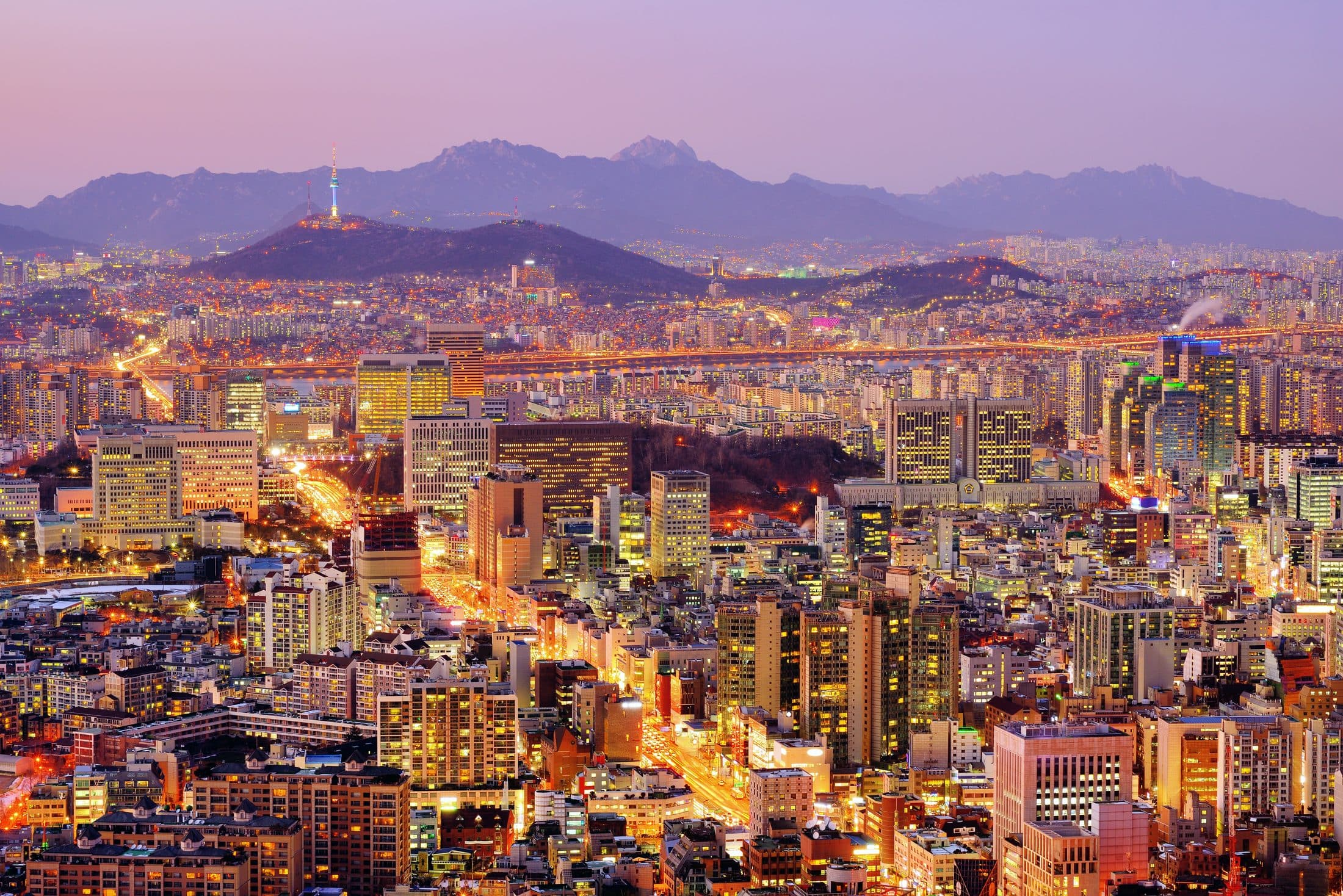



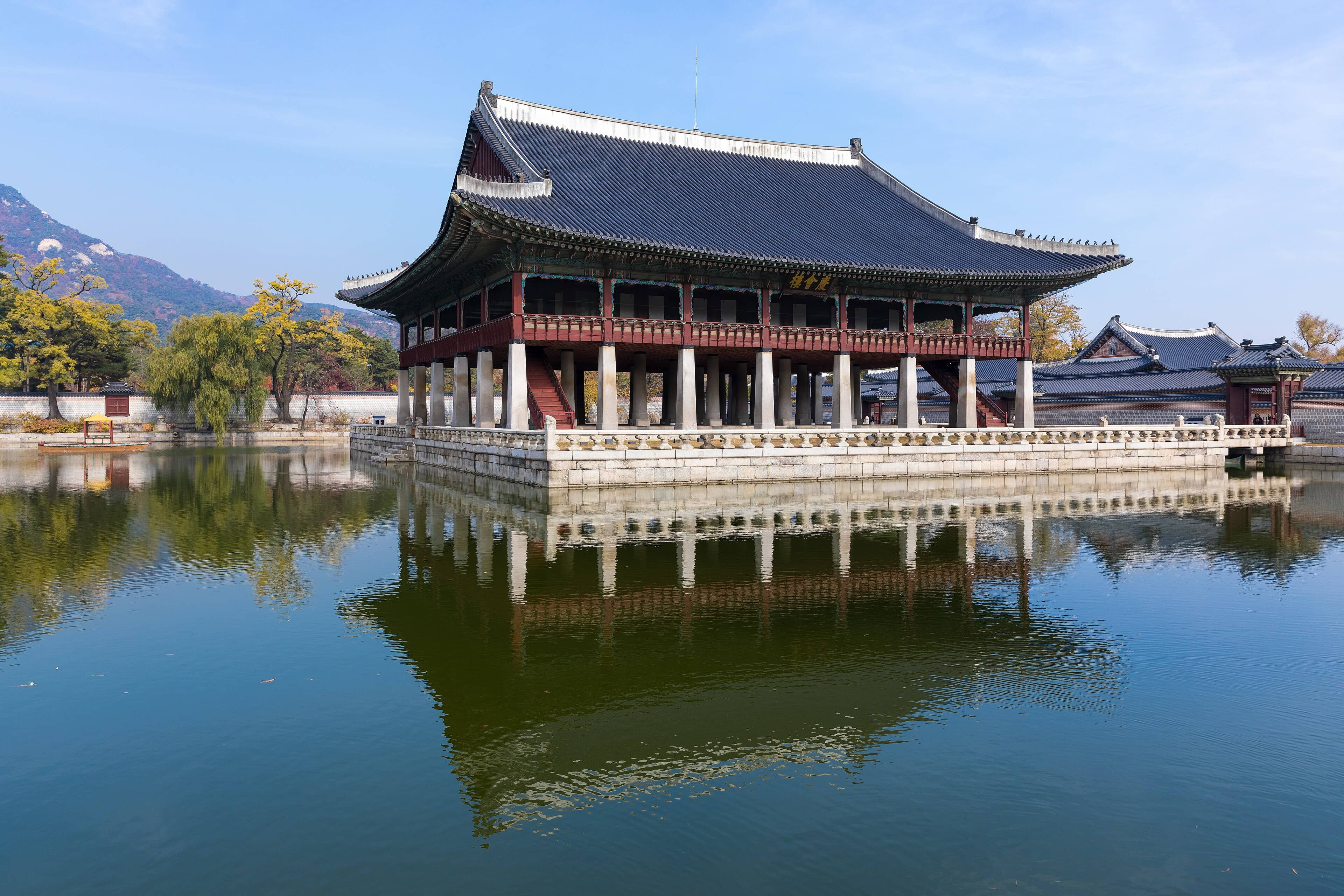
South Korea places students at the meeting point of a 600-year-old palace city and one of the world's most design-driven economies, often within a single afternoon in Seoul. For Art and Design groups, it offers rare access to living craft traditions, major contemporary galleries and the industrial design culture behind brands students already know.
Students can watch celadon and buncheong potters at work in Icheon Ceramic Village, then study how those forms are reinterpreted at the Leeum Museum of Art and the National Museum of Modern and Contemporary Art in Seoul. The Dongdaemun Design Plaza, designed by Zaha Hadid, and the surrounding fabric and lighting markets let students trace a design idea from sketch to sourced material in one district. Few places allow such direct comparison between a Joseon-era royal palace, a hanok neighbourhood and a purpose-built design campus within a short metro ride.
Curriculum links
Art & Design
Groups can work from Korean ceramics and calligraphy at the National Museum of Korea, contemporary practice at MMCA Seoul and Leeum, architecture at Dongdaemun Design Plaza, and hanji papermaking and dyeing workshops in Bukchon Hanok Village.
When to travel
Seoul has four clearly defined seasons, with cold, dry winters that can fall well below freezing and hot, humid summers affected by the June to July monsoon. Spring and autumn are mild and mostly settled, which is why most school groups travel then.
Spring
March to MayMild, cherry blossom in early April, occasional fine dust days; excellent for school trips.
Summer
June to AugustHot, humid and wet during the monsoon; workable but plan indoor gallery time.
Autumn
September to NovemberClear skies, cool air and strong autumn colour; the most reliable season for groups.
Winter
December to FebruaryCold and dry, often below zero; fine with proper layers and museum-heavy itineraries.