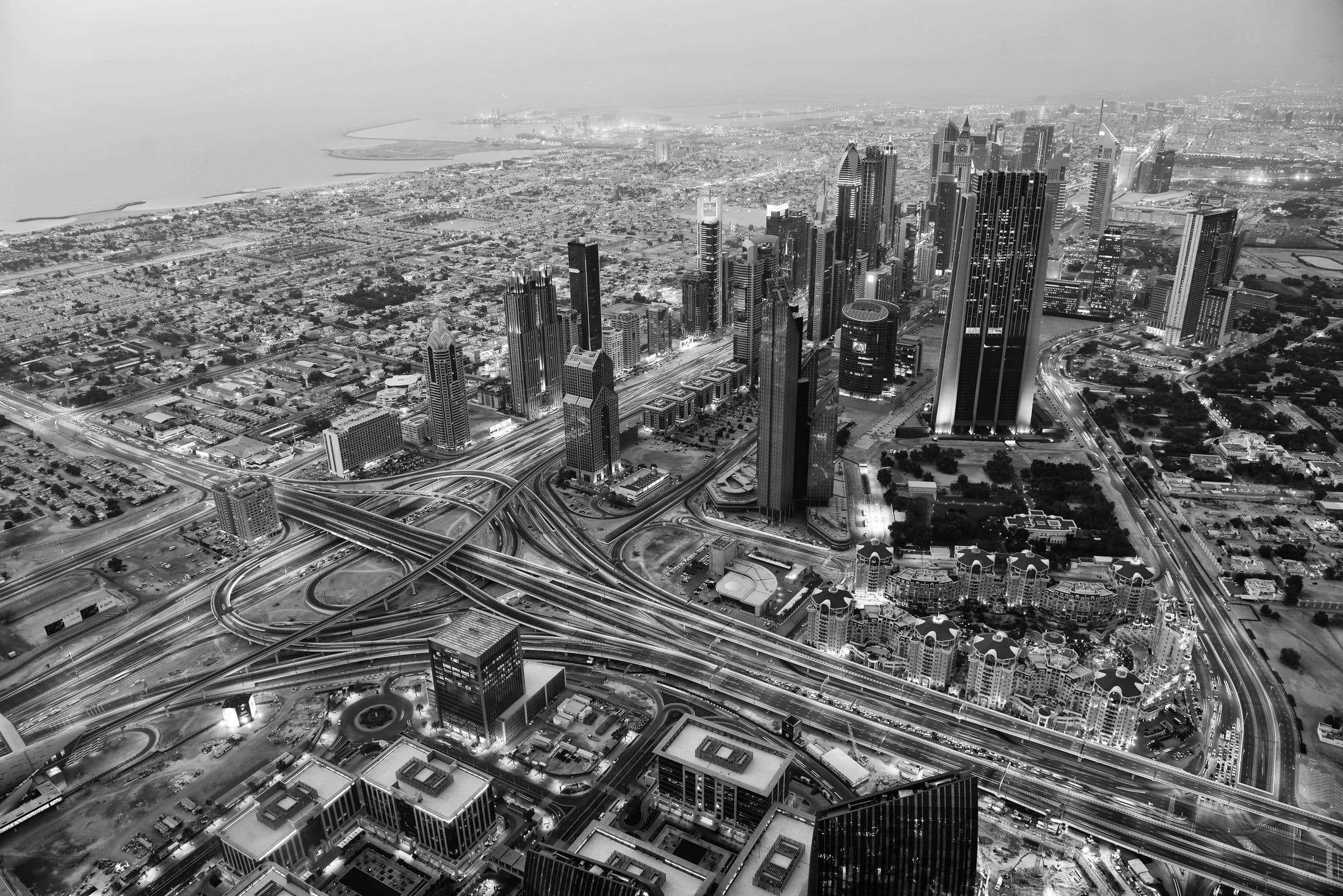



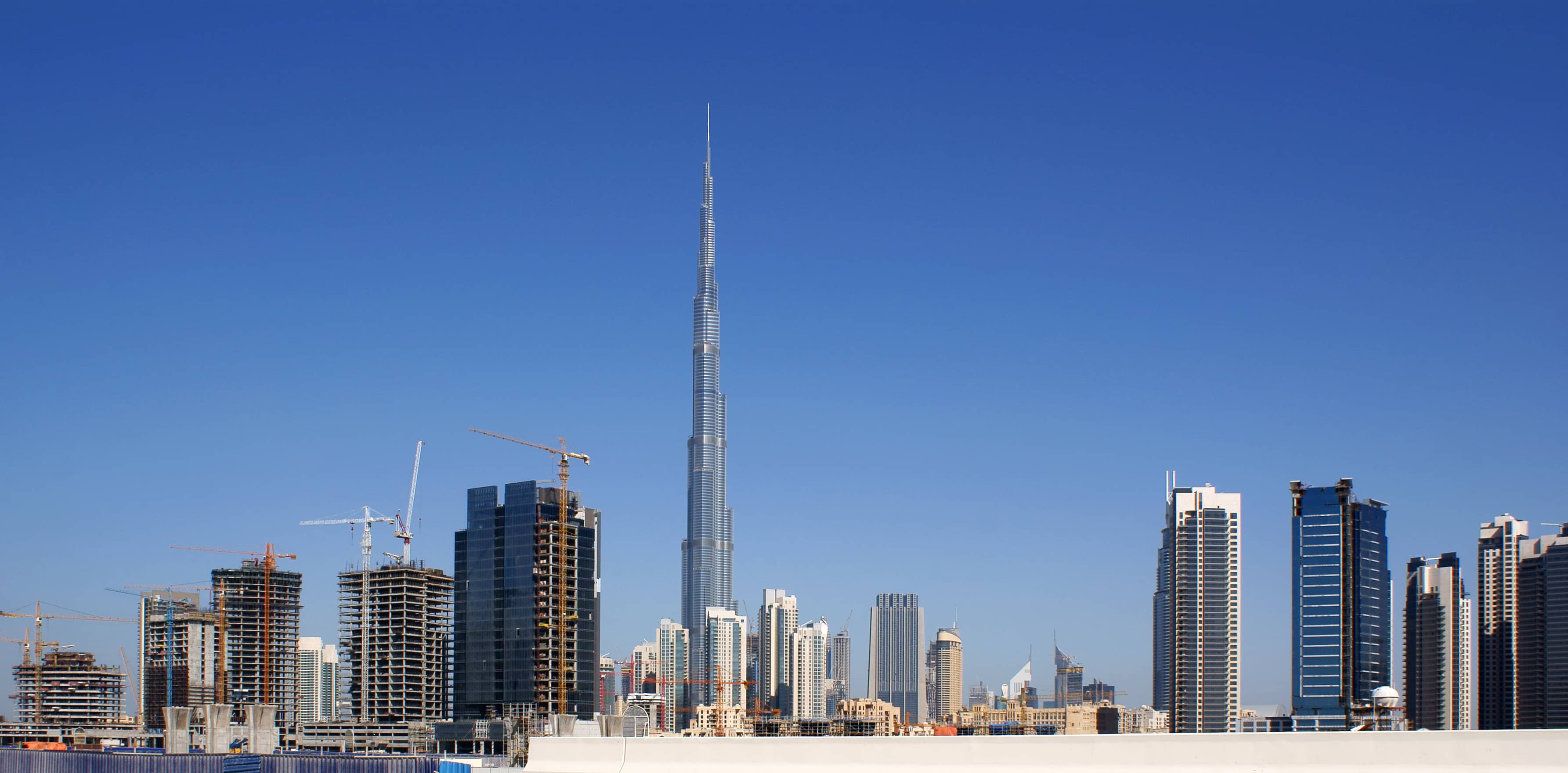
The United Arab Emirates offers schools a rare compression of history and hypermodernity: a pearling town of coral-block houses one morning, a hydrogen-powered laboratory or a Louvre outpost the next. For groups already based in Dubai, it is the most practical residential or day-trip destination available, with world-class institutions reachable within a coach ride.
Students can stand inside Al Fahidi Historical Neighbourhood's wind-tower houses and then, the same day, examine Jean Nouvel's rain-of-light dome at Louvre Abu Dhabi, seeing how a single society has changed within living memory. The desert interior around Liwa and the Hajar Mountains at Jebel Jais provide accessible field sites for studying dune formation, wadi systems and arid-zone ecology. Institutions such as Masdar City, the Sharjah Museum of Islamic Civilisation and the Dubai Museum of the Future allow direct enquiry into sustainability, faith and technology that textbooks can only summarise.
When to travel
The UAE is hot and arid, with humidity climbing sharply along the coast between June and September when daytime temperatures regularly exceed 40°C. From November to March conditions are comfortable for full days outdoors, and most school itineraries are built around this window.
Spring
March to MayWarm and clear early on, turning hot by May; good for field work in March.
Summer
June to SeptemberVery hot and humid; indoor museums and early starts only, generally avoided.
Autumn
October to NovemberHeat eases through November; excellent for desert and mountain days.
Winter
December to FebruaryMild, dry and sunny; the ideal season for a school visit.