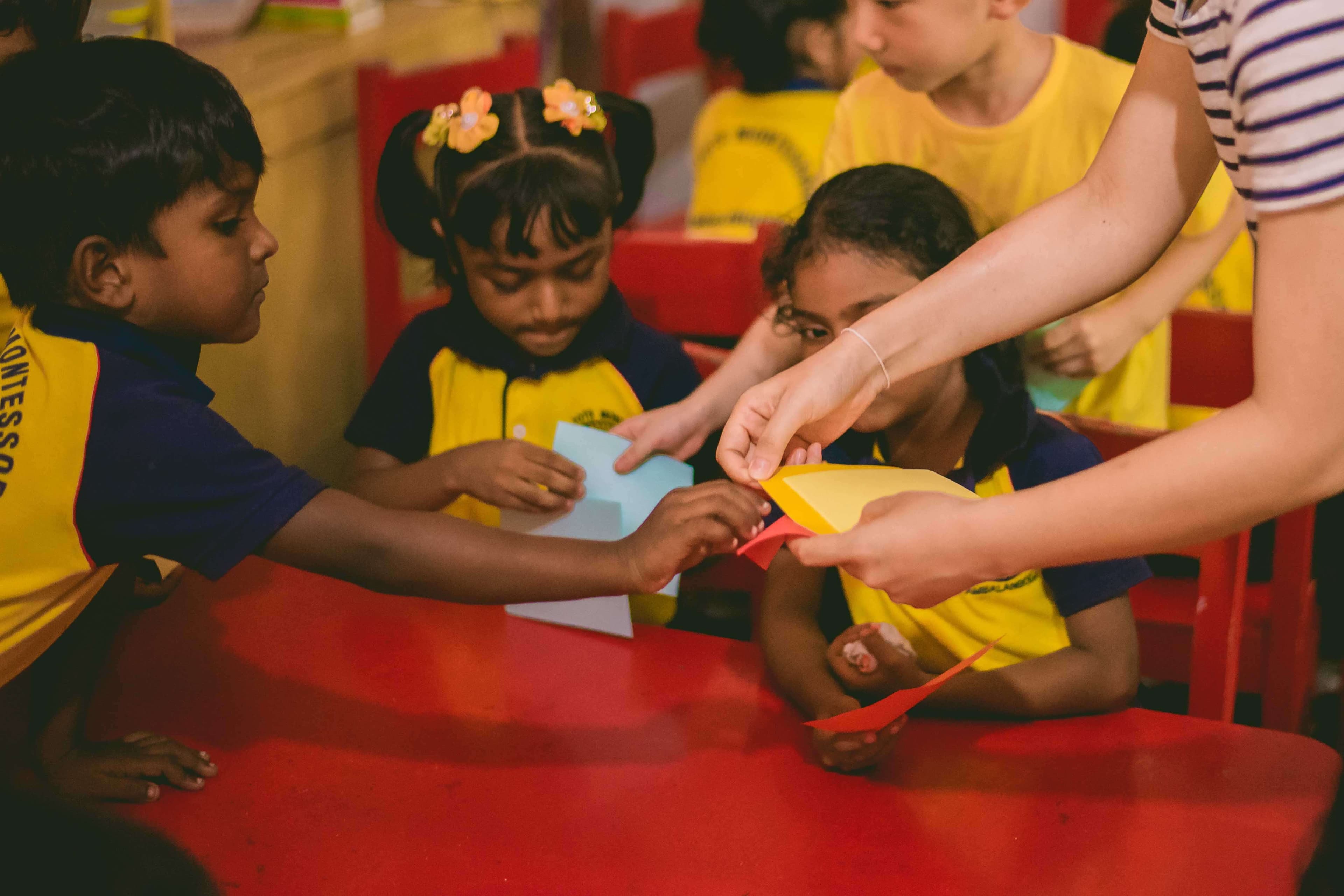



Sri Lanka offers school groups an unusually compact introduction to South Asia, where tea estates, rainforest, ancient cities and coastal villages sit within a few hours of one another. For volunteering programmes it is particularly well suited, with established community and conservation partners who welcome student groups on structured, supervised placements.
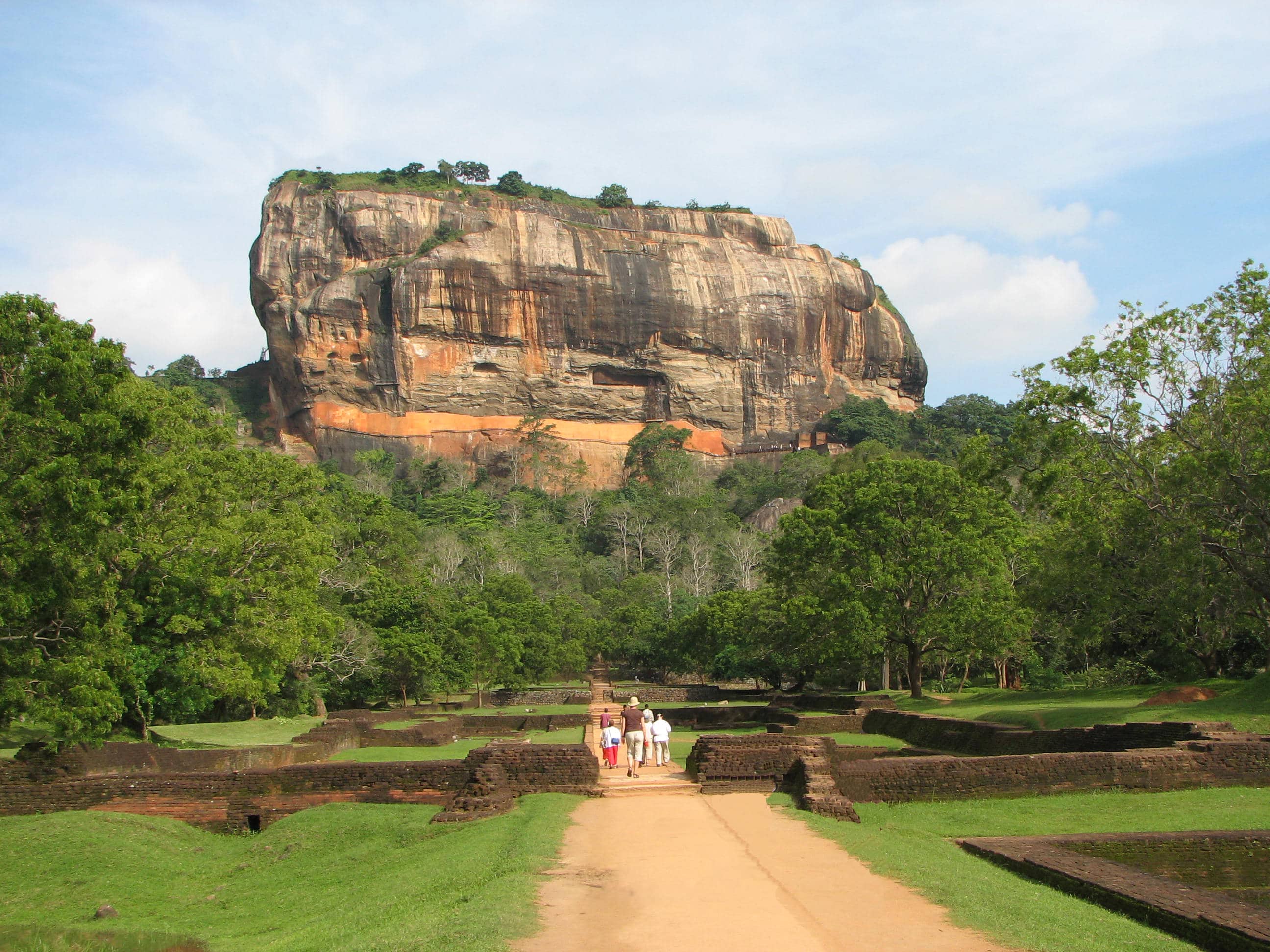
Students can work alongside village schools in the Central Highlands, assist with turtle hatchery conservation on the south coast, or support reforestation projects near Kandy — practical service learning that simply is not available in a classroom. Between placements, groups can walk the ramparts of Galle Fort, climb Sigiriya rock fortress and see tea processing first-hand at a working estate near Nuwara Eliya. The contrast between Colombo's commercial districts and rural farming communities gives students a tangible sense of development, inequality and the ethics of aid.
Curriculum links
Volunteering
Placements range from classroom support and English conversation in rural schools near Kandy to sea turtle conservation at hatcheries around Rekawa and Kosgoda, and mangrove or tree-planting work with community groups in the Southern Province.
When to travel
Sri Lanka is tropical and warm year-round, with daytime temperatures in Colombo typically in the high twenties to low thirties and high humidity on the coast. The highlands around Nuwara Eliya and Horton Plains are markedly cooler, and evenings there can feel genuinely cold, so groups should pack layers as well as light clothing.
Spring
March to MayHot and humid; south-west monsoon builds from May. Good for the east and cultural sites.
Summer
June to AugustDry in the east and north, wetter in the south-west. Popular window for school groups.
Autumn
September to NovemberInter-monsoon rains and afternoon storms; humid but placements continue as normal.
Winter
December to FebruaryDriest and most settled in the south and west; the best period for coastal projects.