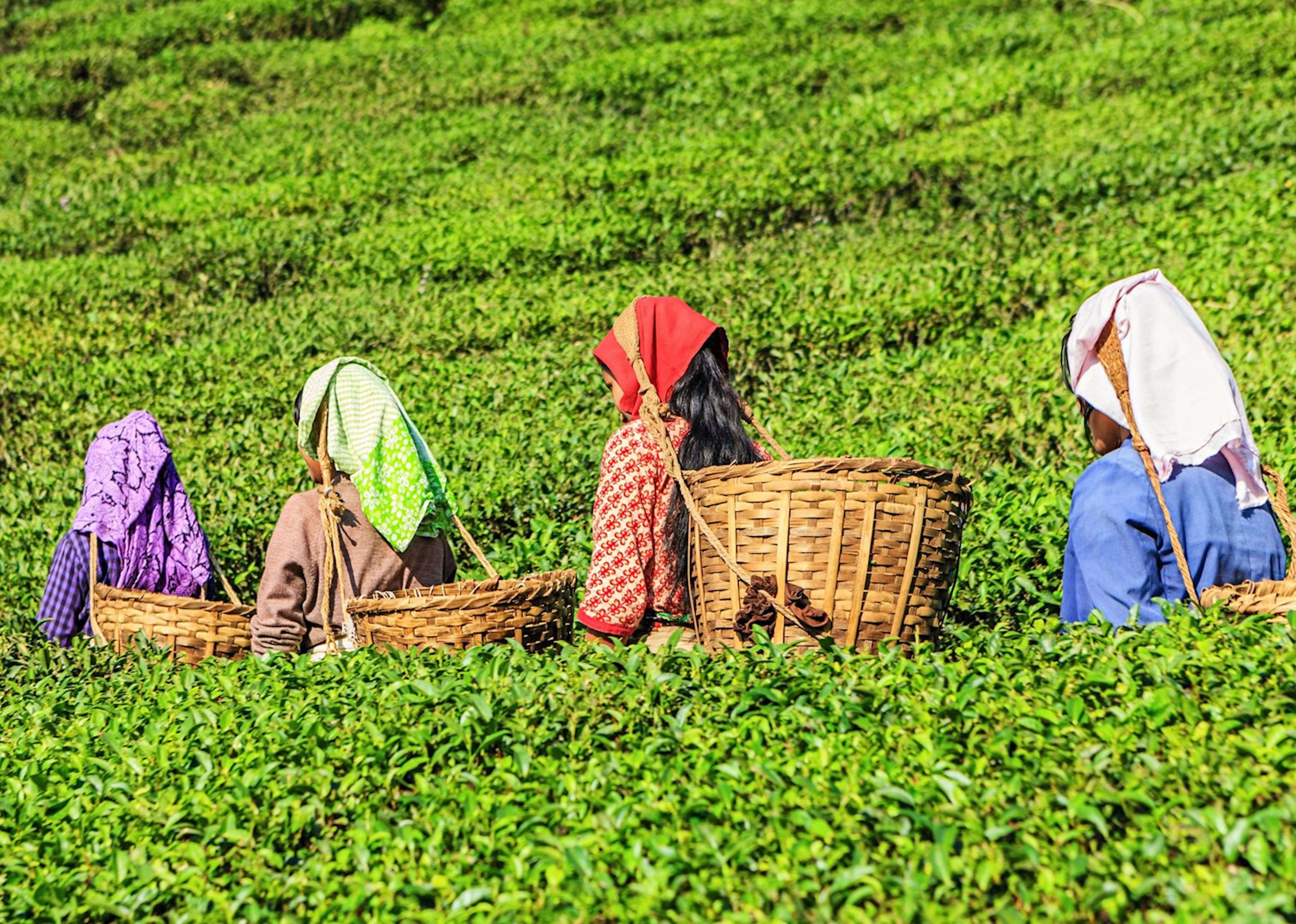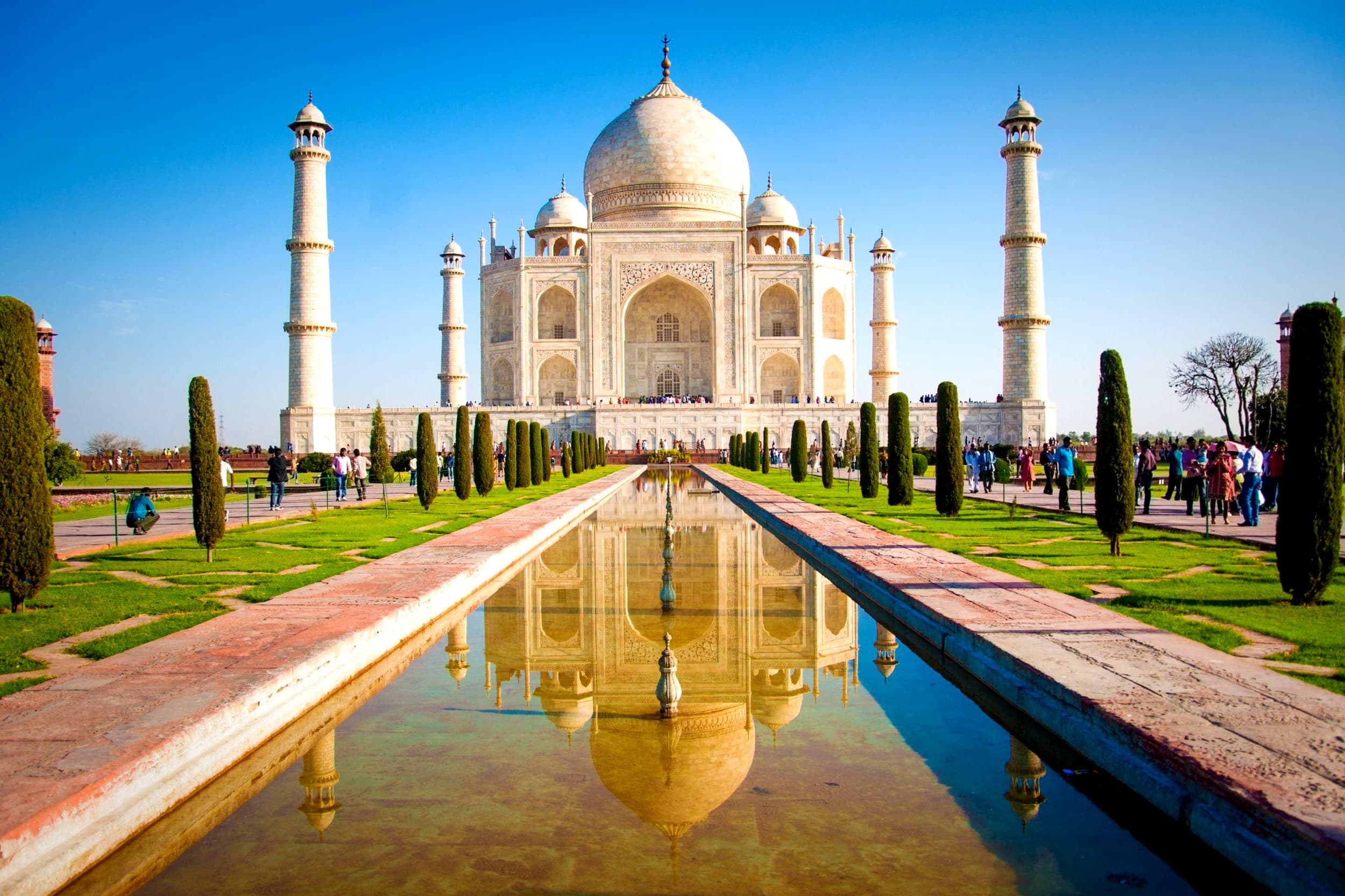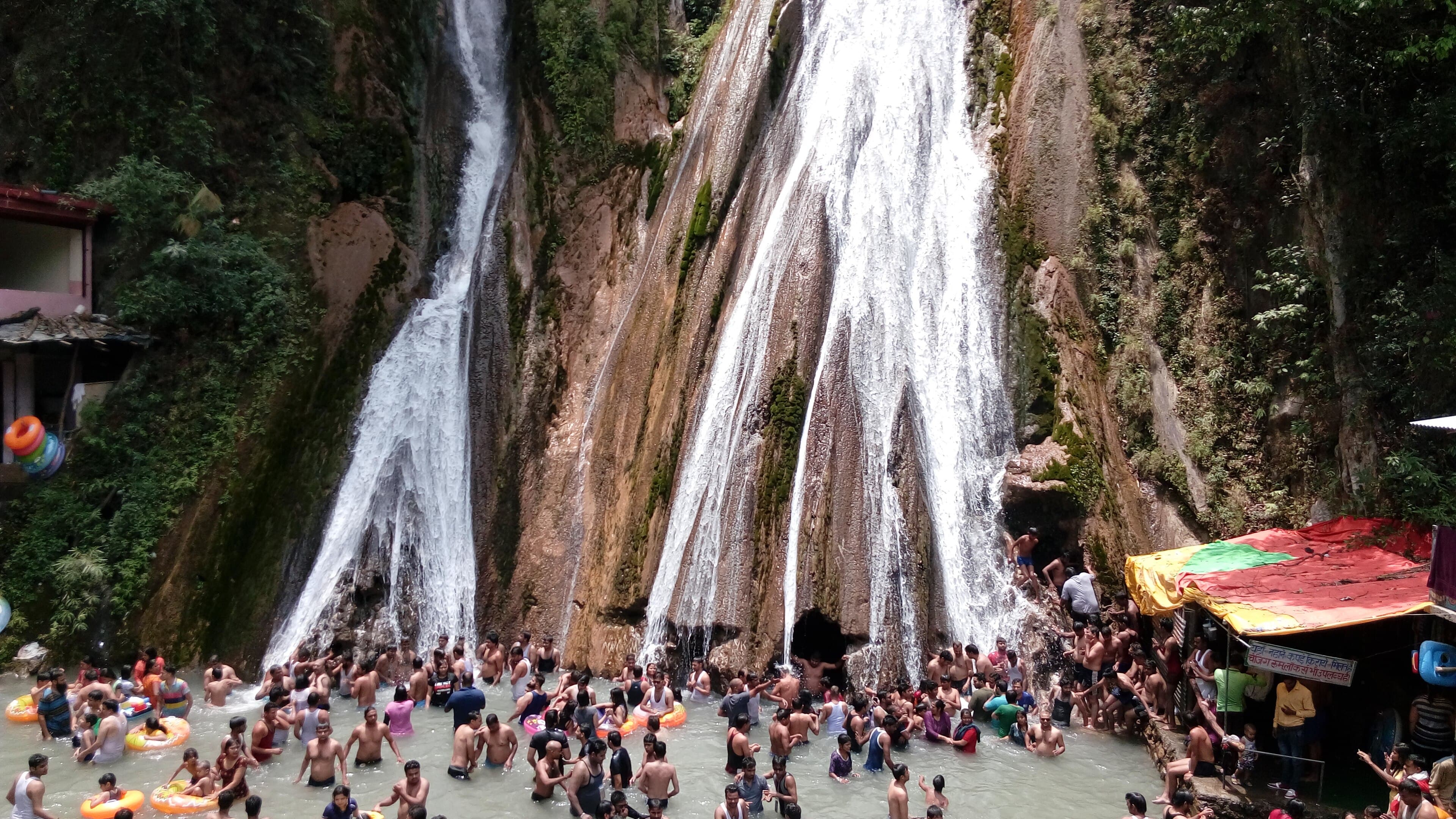



India offers school groups a rare combination of scale, history and living tradition, from Mughal monuments in Delhi and Agra to community projects in Rajasthan's villages and the hill towns of the Himalayan foothills. For volunteering trips in particular, students work alongside established local partners and return with a far clearer understanding of development, resourcefulness and their own place in a wider world.
Students can spend a morning in a rural school or community centre and an afternoon at a UNESCO World Heritage Site such as Humayun's Tomb or Fatehpur Sikri, connecting service work directly to the history and geography that shaped it. India makes abstract classroom topics tangible: monsoon agriculture, rapid urbanisation, water management and social enterprise are all visible within a single itinerary. Conversations with local teachers, craftspeople and NGO staff give students perspectives they cannot access from a textbook in Dubai.
Curriculum links
Volunteering
Group projects run with established partners in areas such as Jaipur, Udaipur and the Uttarakhand foothills include teaching support in village schools, construction and repair work, and environmental clean-ups, with structured reflection sessions each evening.
When to travel
Delhi and the northern plains are hot for much of the year, with summer temperatures regularly exceeding 40°C and a humid monsoon from late June to September. School groups are most comfortable between October and March, when days are warm and dry and mornings can be genuinely cool.
Spring
March to MayMarch is pleasant; April and May turn very hot on the plains, better in hill areas.
Summer
June to AugustMonsoon heat and humidity; travel is possible but outdoor work is demanding.
Autumn
September to NovemberRains ease and skies clear; October and November are excellent for school groups.
Winter
December to FebruaryCool, dry and comfortable; morning fog can delay flights and road transfers.