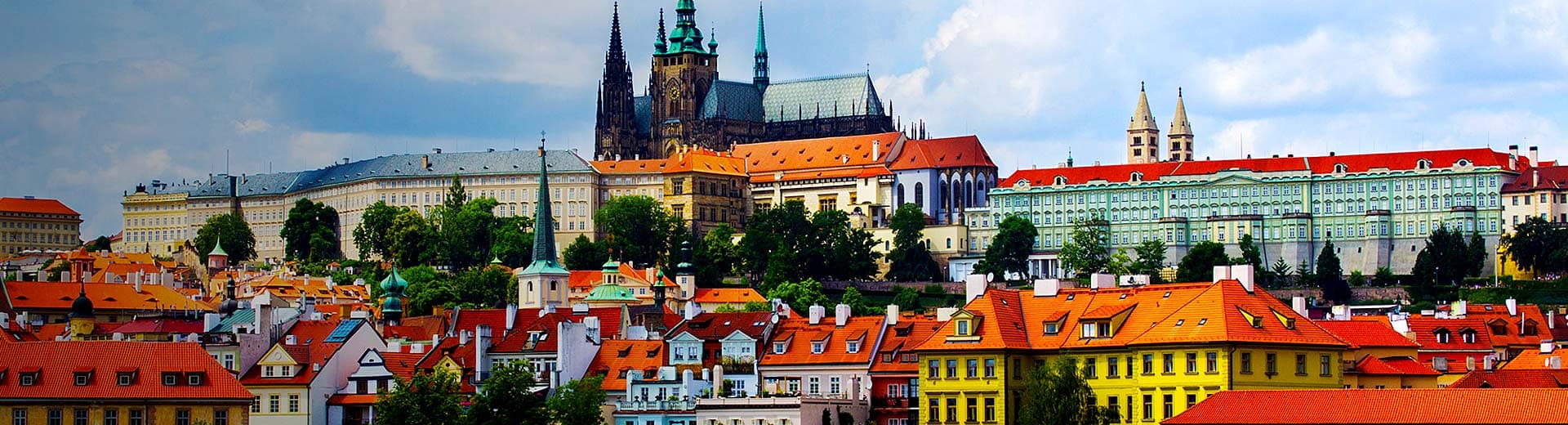



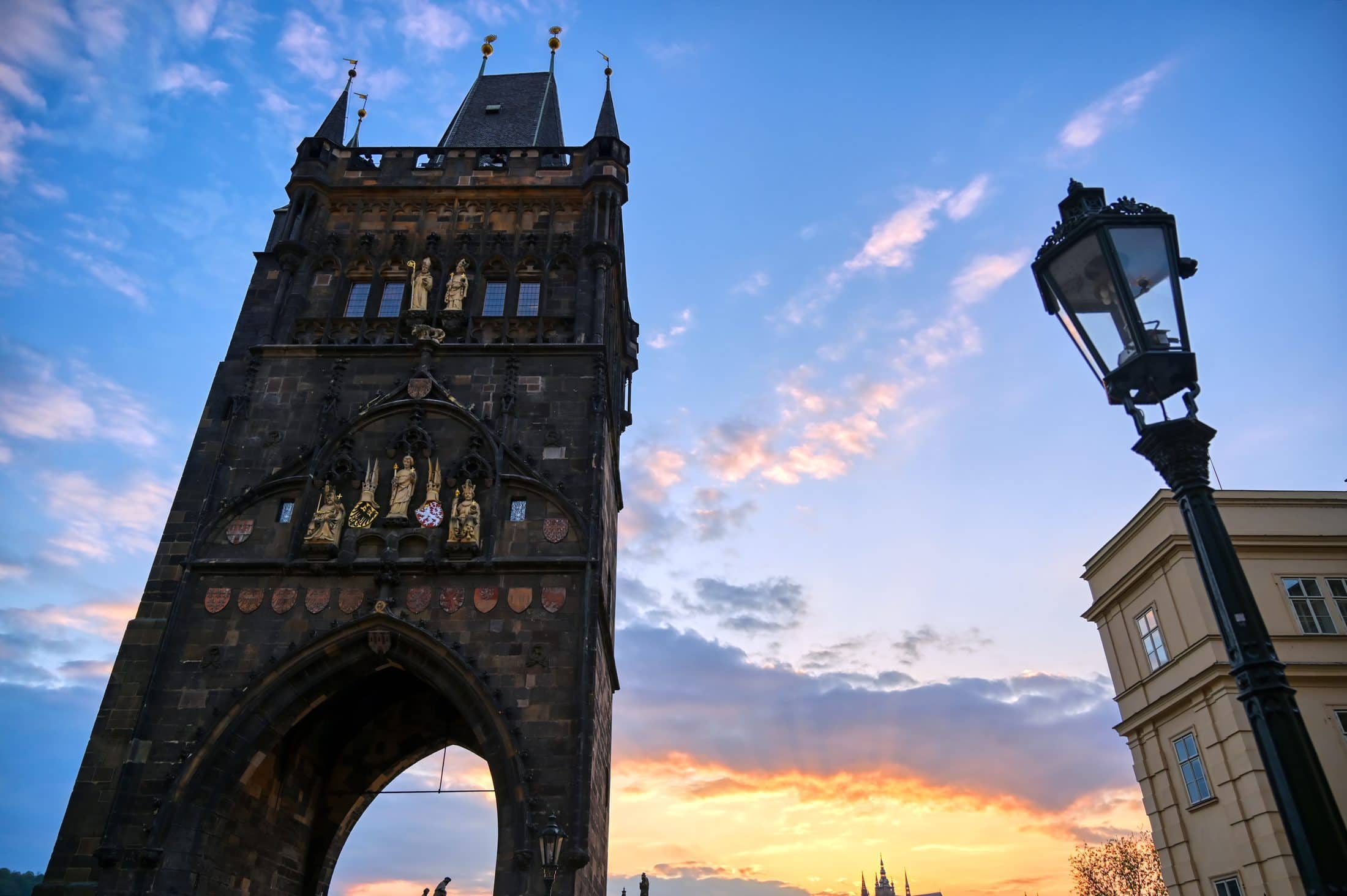
The Czech Republic places a thousand years of European history within walking distance, from Gothic Prague to the fortress town of Terezín. For school groups it offers an unusually compact itinerary in which medieval, imperial, wartime and Cold War stories can all be studied on foot.
Prague survived the Second World War largely intact, so students can read the architecture of six centuries in a single afternoon along the Royal Route from Prague Castle to the Old Town Square. Terezín, an hour north of the capital, is a preserved garrison town used by the Nazis as a ghetto and transit camp, and its museum and Small Fortress allow Holocaust study grounded in place rather than in textbook extracts. Sites connected to the 1968 Prague Spring and the 1989 Velvet Revolution, including Wenceslas Square and the Museum of Communism, let pupils trace living memory of authoritarian rule and its end.
Curriculum links
History
Terezín Memorial, the Jewish Museum in Prague with the Pinkas Synagogue and Old Jewish Cemetery, Prague Castle and St Vitus Cathedral, and the Velvet Revolution sites on Wenceslas Square cover medieval Europe, the Holocaust and the Cold War in one itinerary.
When to travel
Prague has a temperate continental climate, with warm summers, crisp autumns and genuinely cold, often snowy winters. Groups should expect changeable conditions and a good deal of walking on cobbles, so layers and sturdy footwear matter more than anything else.
Spring
March to MayCool and freshening, blossom on Petřín Hill; excellent for walking itineraries.
Summer
June to AugustWarm and long-lit but the busiest period at Charles Bridge and the Castle.
Autumn
September to NovemberMild, quieter and photogenic; often the best balance for school groups.
Winter
December to FebruaryCold, sometimes below freezing, with markets and short daylight hours.