


Nepal offers school groups a rare combination of Himalayan landscapes, living Hindu and Buddhist traditions, and community projects where student effort makes a visible difference. Groups typically base themselves in the Kathmandu Valley before travelling to a partner village or school, working alongside local people rather than simply observing them.
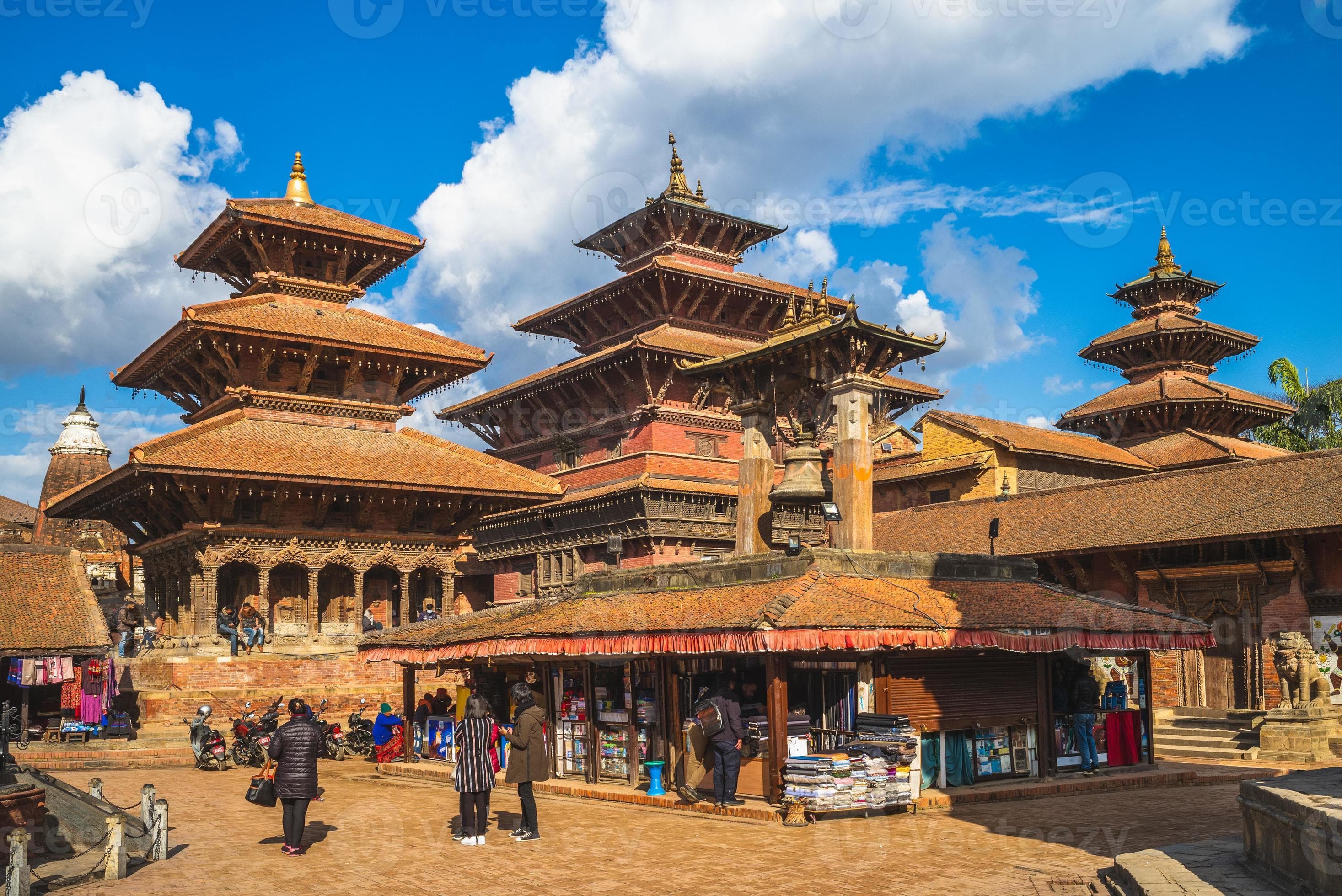
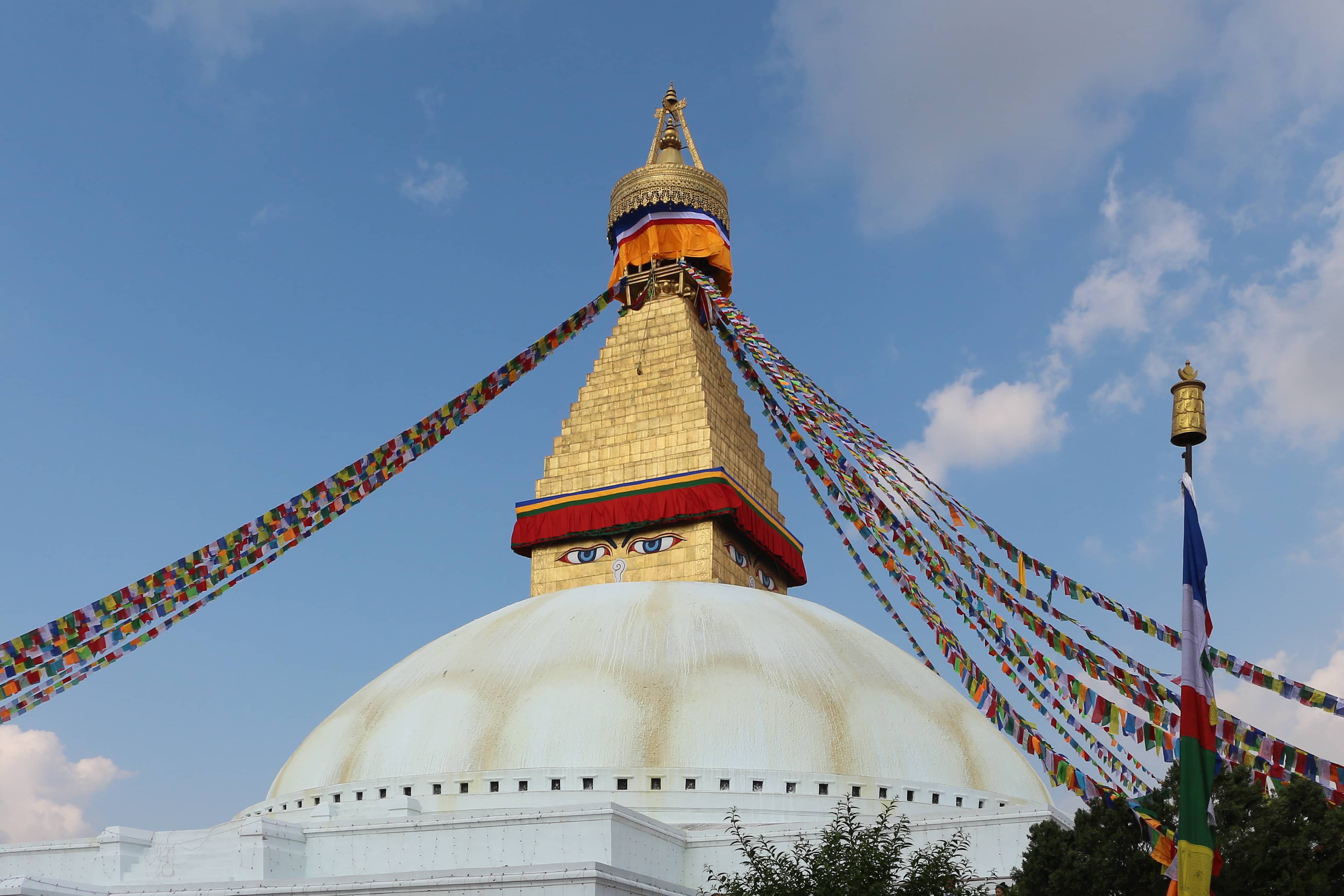
Students can see plate tectonics written into the landscape, walking valleys carved by rivers that predate the Himalaya and visiting communities still rebuilding after the 2015 Gorkha earthquake. The Kathmandu Valley holds seven UNESCO World Heritage monument zones within a short drive of each other, including Boudhanath Stupa, Pashupatinath and Patan Durbar Square, so comparative study of religion, architecture and conservation happens on foot. Volunteering placements in rural schools and reforestation or trail-repair projects give students first-hand insight into development, aid ethics and the limits of short-term help.
Curriculum links
Volunteering
Placements in Kathmandu Valley and hill villages such as those around Dhulikhel and Pokhara typically involve classroom support in local schools, painting and repair work, and tree planting or trail maintenance with community-led organisations.
When to travel
Kathmandu sits at around 1,400m, so its climate is mild rather than tropical, with warm days, cool evenings and a pronounced monsoon from June to September. Groups should expect strong sun at altitude, dusty air in the dry months and genuinely cold mornings between December and February.
Spring
March to MayWarm, clear mountain views, rhododendrons in flower; among the best times to travel.
Summer
June to SeptemberMonsoon rain, landslides and flight delays; generally avoided for school groups.
Autumn
October to NovemberClear skies, festival season and settled trails; the most popular window.
Winter
December to FebruaryDry and sunny by day, near freezing at night; fine with warm kit.