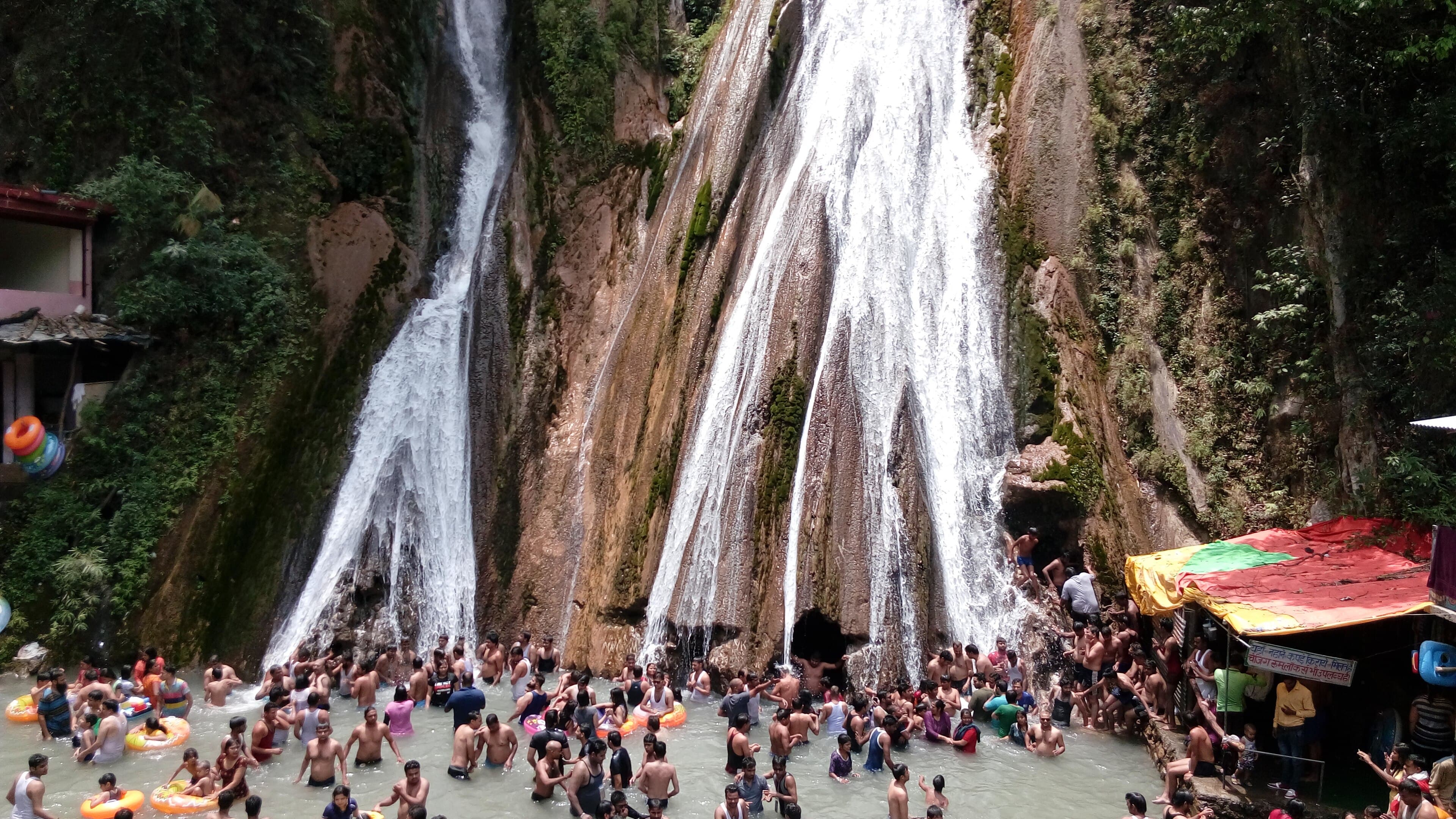



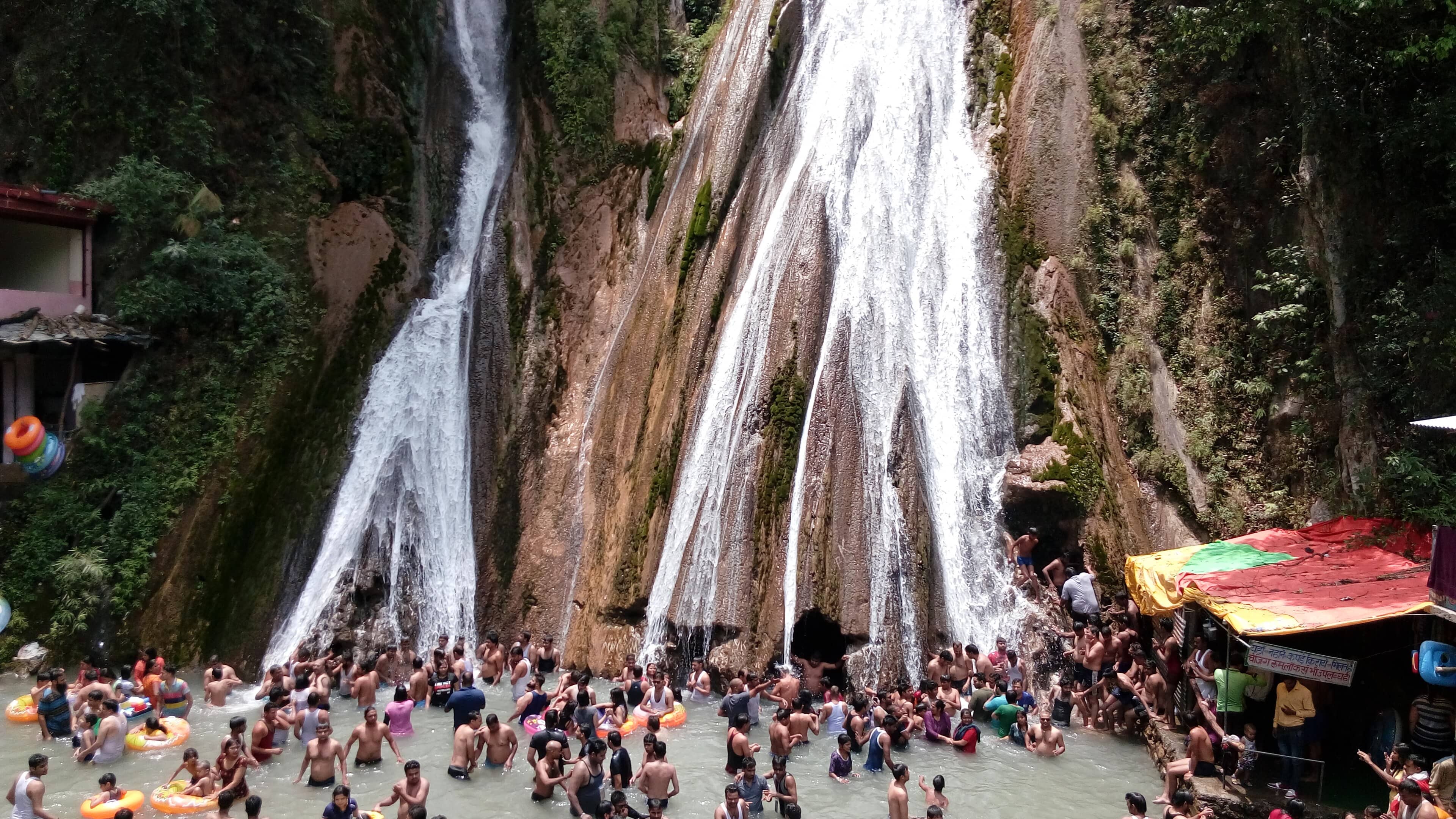
Mussoorie sits at around 2,000 metres on a ridge above the Doon Valley, looking north to the snow line of the Garhwal Himalaya and south across the plains — a genuine mountain environment reached in a single travel day from Dubai. For schools, it offers graded walking, forest ecology and altitude experience within a compact, well-established hill station where support and evacuation routes are straightforward.
The ridge itself is the teaching resource: Camel's Back Road for orientation and geology, Lal Tibba at Depot Hill for the highest viewpoint over the Himalayan chain, and the deodar and oak forest of Benog Wildlife Sanctuary for habitat work. Groups walk to the restored George Everest's House at Park Estate, home of the Surveyor General who led the Great Trigonometrical Survey, where survey, mapping and triangulation come alive in the place they were practised. Landour — Char Dukan, Sisters' Bazaar and the churchyard of St Paul's — gives a quieter base for reflection sessions, while the Tibetan settlement and Shedup Choepelling temple at Happy Valley adds a cultural dimension to the outdoor programme.
Curriculum links
Outdoor Education
Graded hill walking on Camel's Back Road and the Benog Hill trail builds towards the Nag Tibba ridge at over 3,000 metres, with navigation from George Everest's House, forest campcraft in the deodar stands near Cloud End and Dhanaulti, and altitude, weather and risk management taught in a live mountain setting.
When to travel
Mussoorie's height keeps it markedly cooler than the plains below, with mild days and cold nights for much of the year and genuine winter frost and occasional snowfall. The monsoon between late June and early September brings heavy, persistent rain, low cloud on the ridge and a real risk of landslides on the Dehradun road, so trips are planned around it.
Spring
March to MayMild, clear and green with rhododendron in flower; the strongest window for walking.
Summer
June to AugustWarm then monsoon-soaked; cloud, leeches and road closures make trekking unreliable.
Autumn
September to NovemberCrisp air and the sharpest Himalayan views of the year; excellent for expeditions.
Winter
December to FebruaryCold, frosty nights and possible snow; fine for hardy groups with proper kit.