


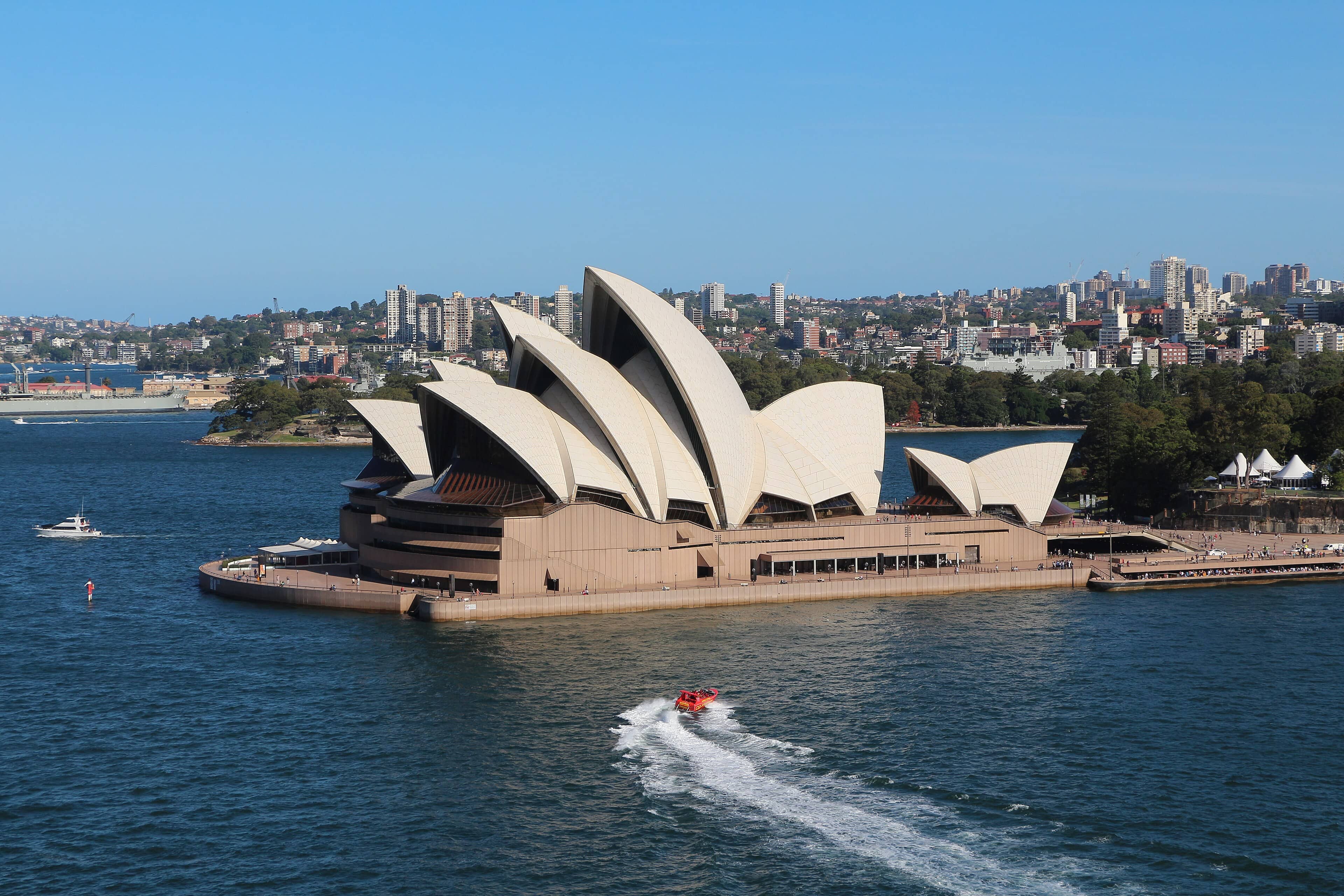
Australia offers school groups an outdoor classroom on an extraordinary scale, from the reef systems of tropical Queensland to the eucalypt ranges of the Great Dividing Range. For Outdoor Education programmes it combines genuinely wild landscapes with a mature, well-regulated adventure-instruction industry and English-speaking guides.
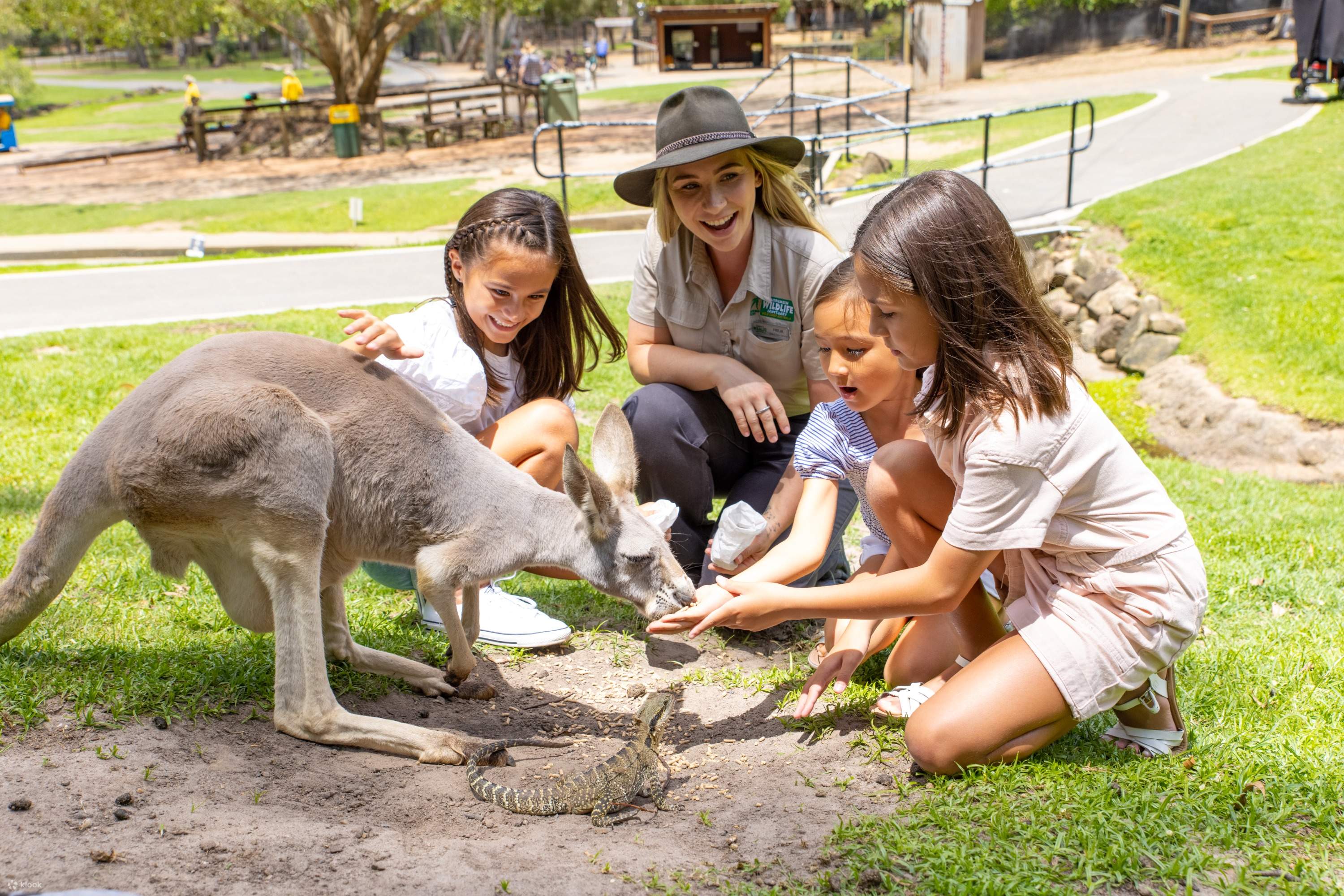
Students can snorkel the Great Barrier Reef with marine biologists from a research station, bushwalk in the Blue Mountains World Heritage Area and learn cool-temperate rainforest ecology in Tasmania's Mount Field National Park — environments with no parallel in the Gulf. Aboriginal ranger-led walks at sites such as Uluru-Kata Tjuta National Park and Kakadu introduce the world's oldest continuous land-management traditions, taught by Traditional Owners themselves. Field bases such as the Australian National Botanic Gardens in Canberra and Sydney's Taronga Zoo support structured study alongside the practical expedition work.
Curriculum links
Outdoor Education
Multi-day bushwalking and abseiling in the Blue Mountains around Katoomba, sea kayaking in Jervis Bay and canyoning in the Wollemi wilderness give students progressive expedition skills in supervised, well-mapped terrain.
When to travel
Australia spans tropical, arid and temperate zones, so conditions depend entirely on where a group travels rather than on the season alone. Canberra and the southern highlands are genuinely cool for much of the year, averaging around 13°C annually, while Cairns and the Top End are warm and humid throughout.
Spring
September to NovemberMild, wildflowers in bloom, stable walking weather — among the best windows for groups.
Summer
December to FebruaryHot inland with bushfire risk; coastal and Tasmanian itineraries work better.
Autumn
March to MaySettled, clear and comfortable in the southeast; excellent for expedition work.
Winter
June to AugustCold nights in the highlands, but the dry season peak for Queensland and the north.